Category: ContentLase Social

Public social-first posts generated by ContentLase AI.

  • Link Objects to Their Functions

    Link Objects to Their Functions

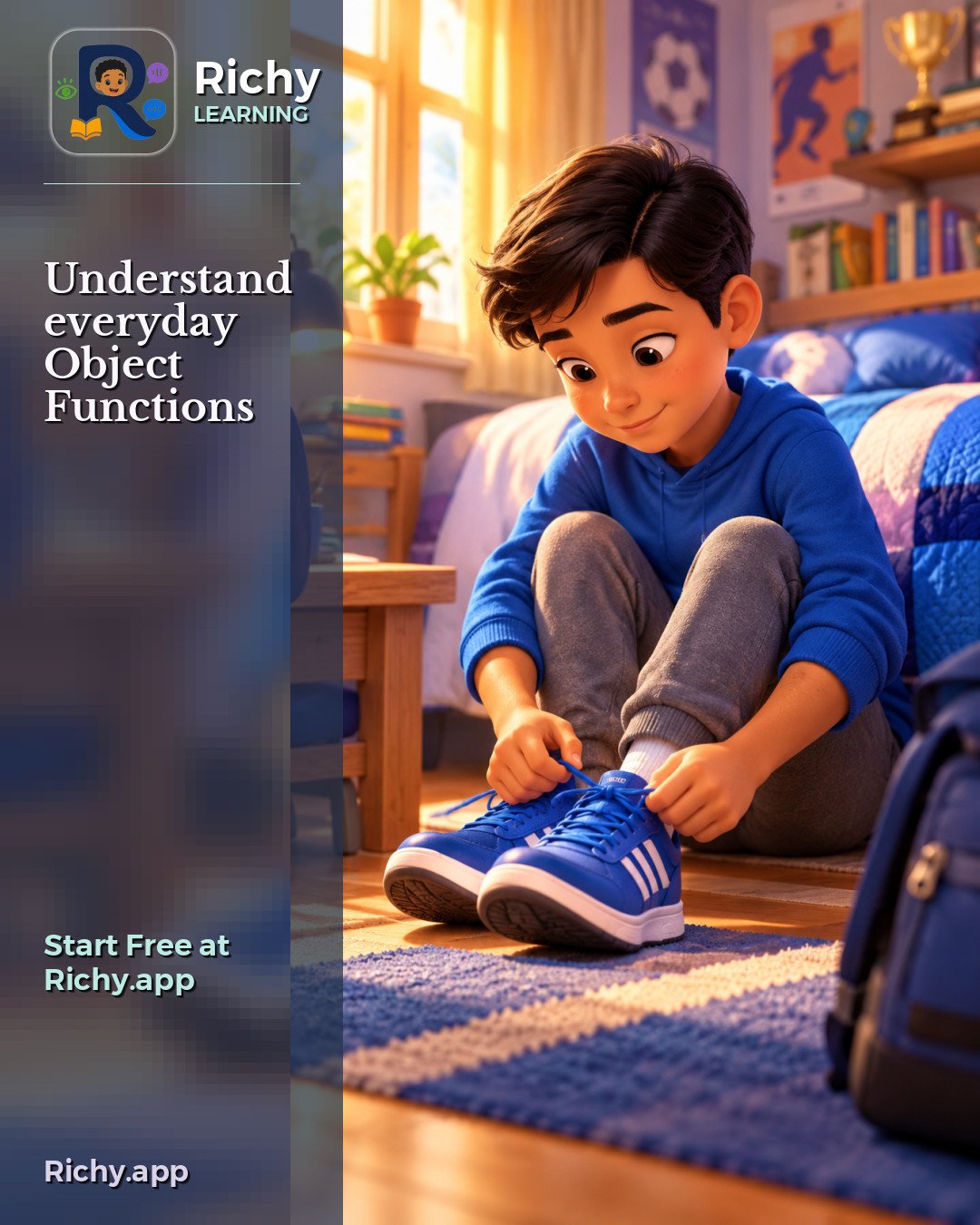
    Understand Everyday Object Functions

    When a child learns what Everyday Objects are used for, like tying shoelaces on sneakers, it supports meaningful understanding and communication. Richy Learning helps learners practise Object Functions by connecting familiar items to their uses in simple, structured steps. Try encouraging your learner to explain or show how they use a shoe to build this skill naturally. Start free at Richy.app, or find Richy on the App Store for iPhone and iPad.
  • Recognise Everyday Objects Naturally

    Recognise Everyday Objects Naturally

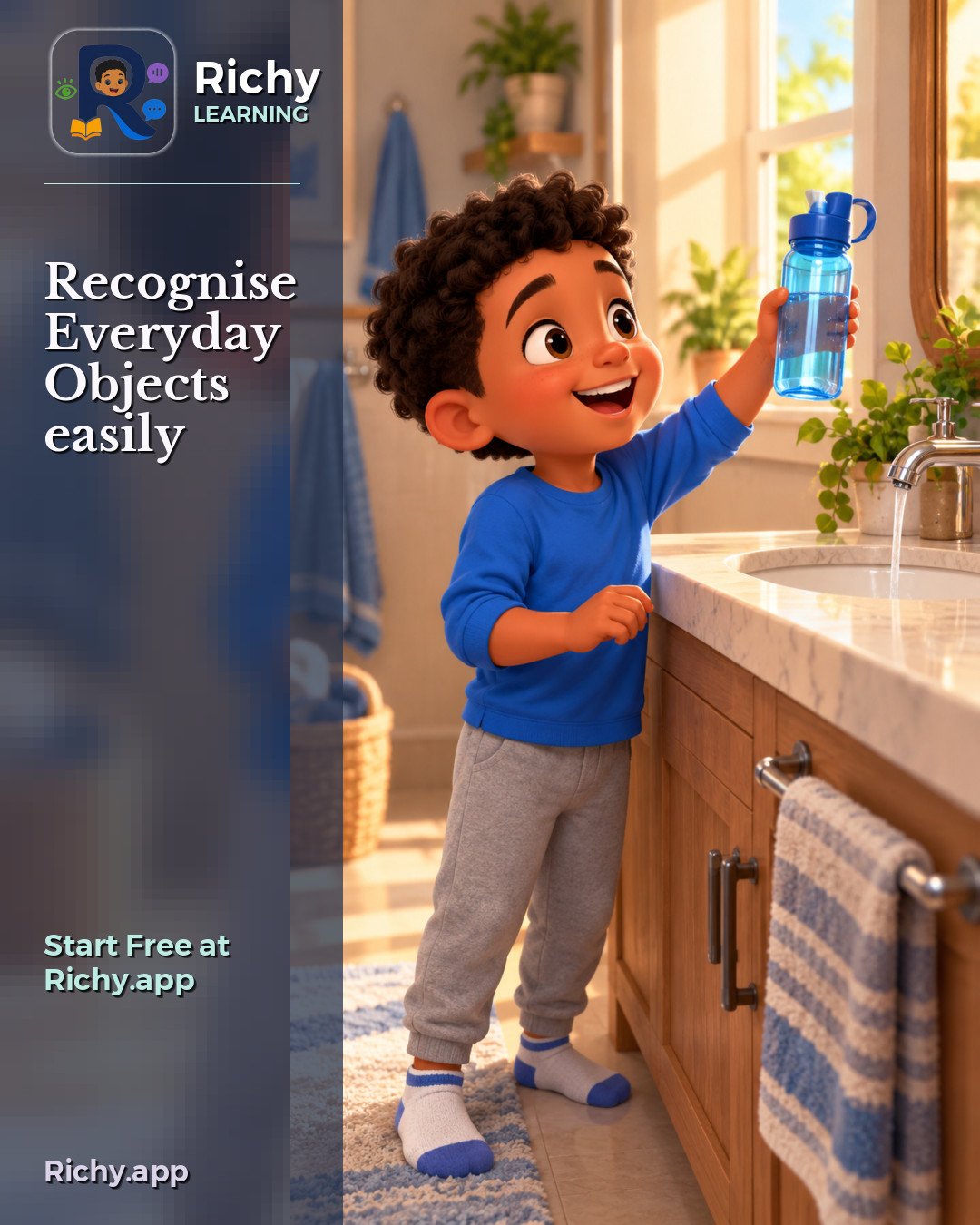
    Recognise Everyday Objects Easily

    When a learner spots a familiar object like a water bottle during daily routines, it builds real-world understanding and communication confidence. For example, you might say, ‘That’s your water bottle by the sink,’ to connect the word to the object naturally. This simple step helps reinforce Everyday Objects recognition without pressure. Richy Learning supports these everyday moments by offering adaptable practice for learners of all ages. Try naming one object you see around you today. Start free at Richy.app, or find Richy on the App Store for iPhone and iPad.
  • Practice Everyday Words with Objects

    Practice Everyday Words with Objects

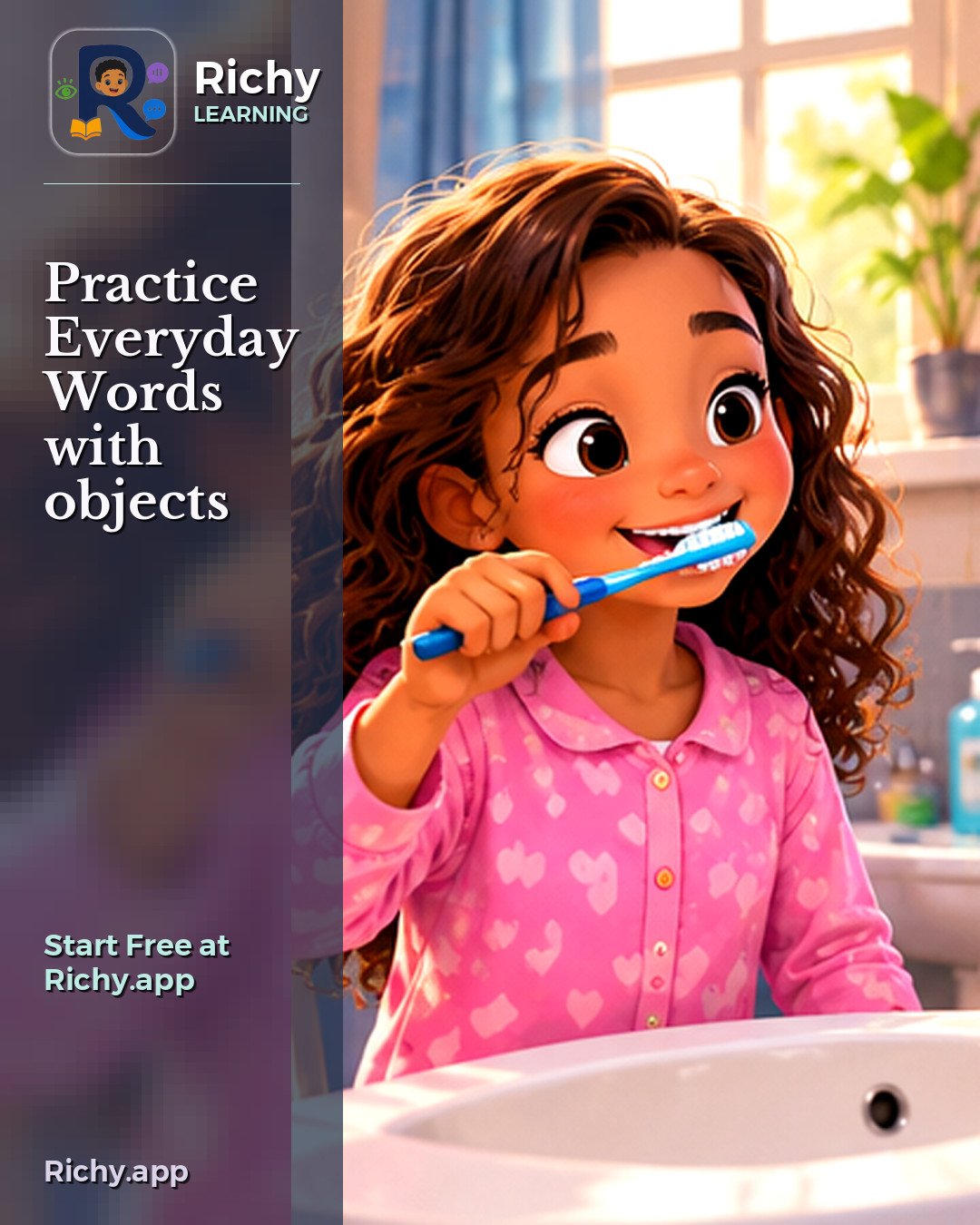
    Practice Everyday Words with Objects

    Brushing teeth is a daily routine where learning can happen naturally. Using Richy Learning, you can practise Everyday Words like "toothbrush" by pairing the word with the actual object or a photo. This helps learners connect the word with real items in their environment, supporting meaningful communication. Try pointing to the toothbrush while saying its name during the routine to make the word familiar and useful. Start free at Richy.app, or find Richy on the App Store for iPhone and iPad.
  • Respect Learner Pace in Communication

    Respect Learner Pace in Communication

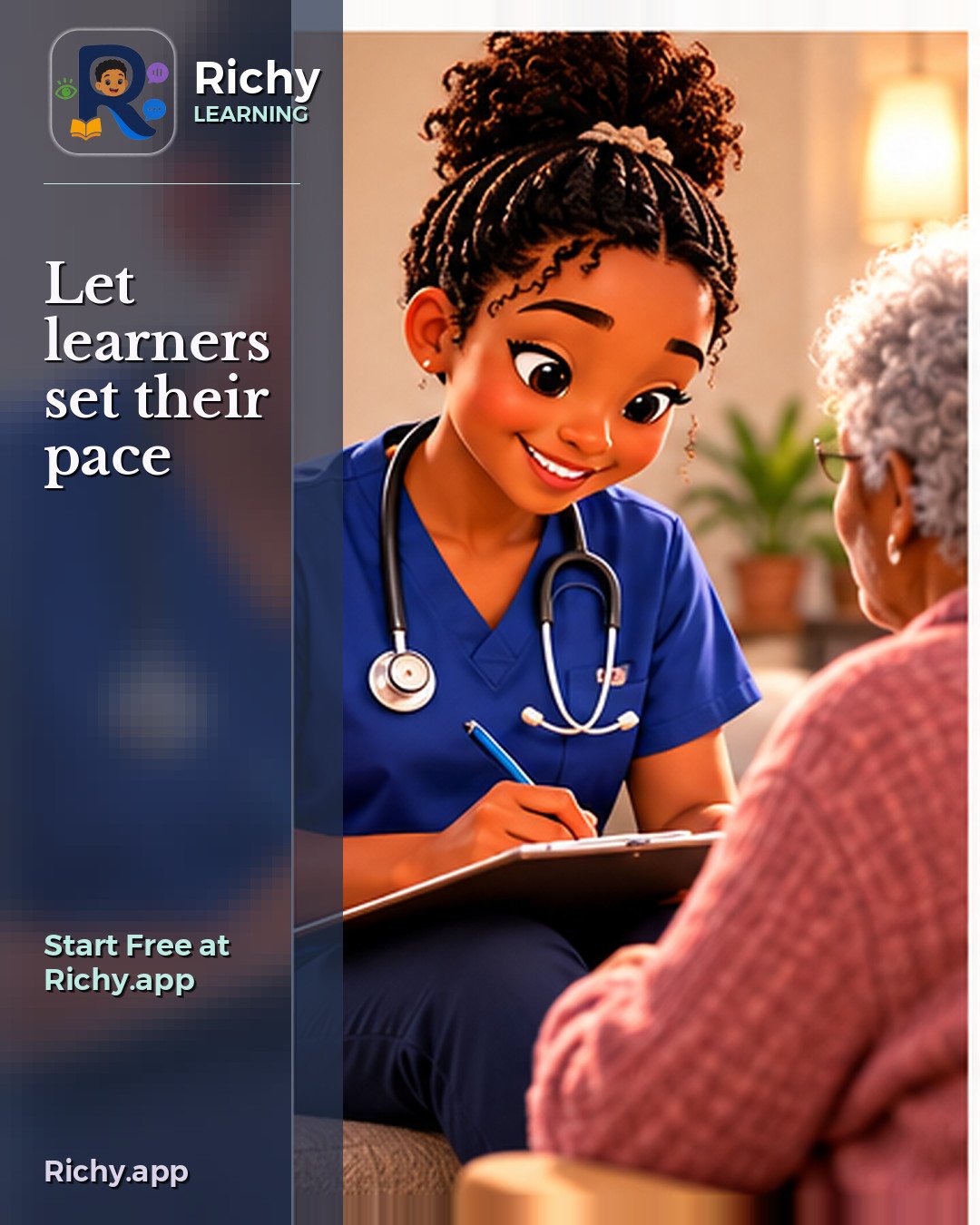
    Let Learners Set Their Pace

    When supporting communication, allowing learners to respond at their own speed builds confidence and reduces pressure. For example, during a health check-in, give the person extra time to point to Everyday Objects or answer WHO and WHAT questions without rushing. This respectful approach encourages meaningful engagement. Try pausing longer after questions and observe the learner’s natural rhythm. Richy Learning offers structured practice that adapts to individual pace to support progress gently. Start free at Richy.app, or find Richy on the App Store for iPhone and iPad.
  • Describe Feelings During Shopping

    Describe Feelings During Shopping

    Talk About Feelings While Shopping

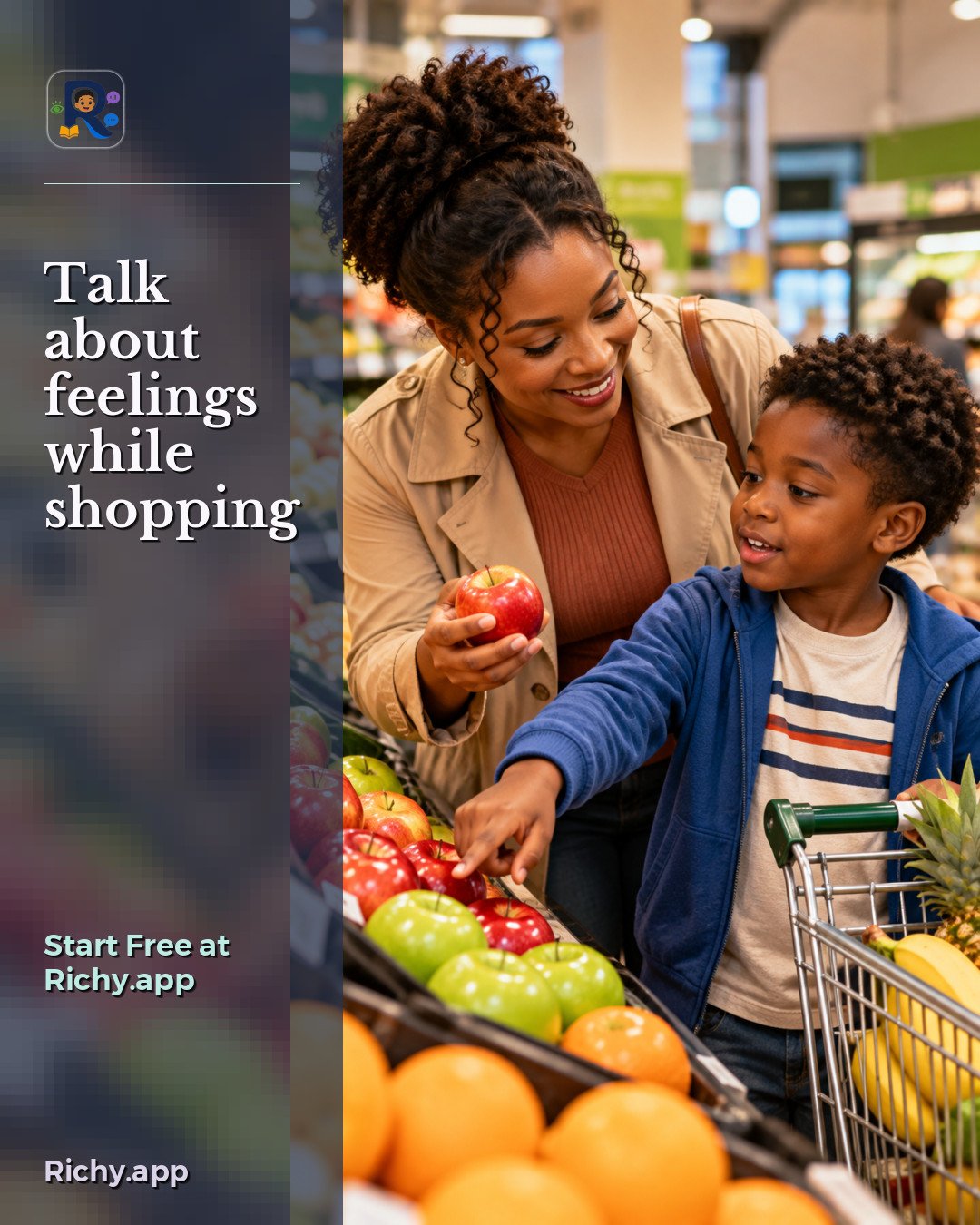
    When shopping together, noticing and naming feelings can help communication. For example, the child might say, “I feel tired” or “I like this apple.” You can respond with a simple supportive question like, “Which apple do you want to try?” This helps practice describing feelings and encourages choice-making using Everyday Words. Try this gentle approach during your next grocery trip to build understanding and confidence. Richy Learning supports these skills with simple, structured practice. Start free at Richy.app, or find Richy on the App Store for iPhone and iPad. #CommunicationSkills #EverydayWords #LearningTogether
  • Use First–Then for Smooth Handwashing

    Use First–Then for Smooth Handwashing

    First–Then Helps Handwashing Flow

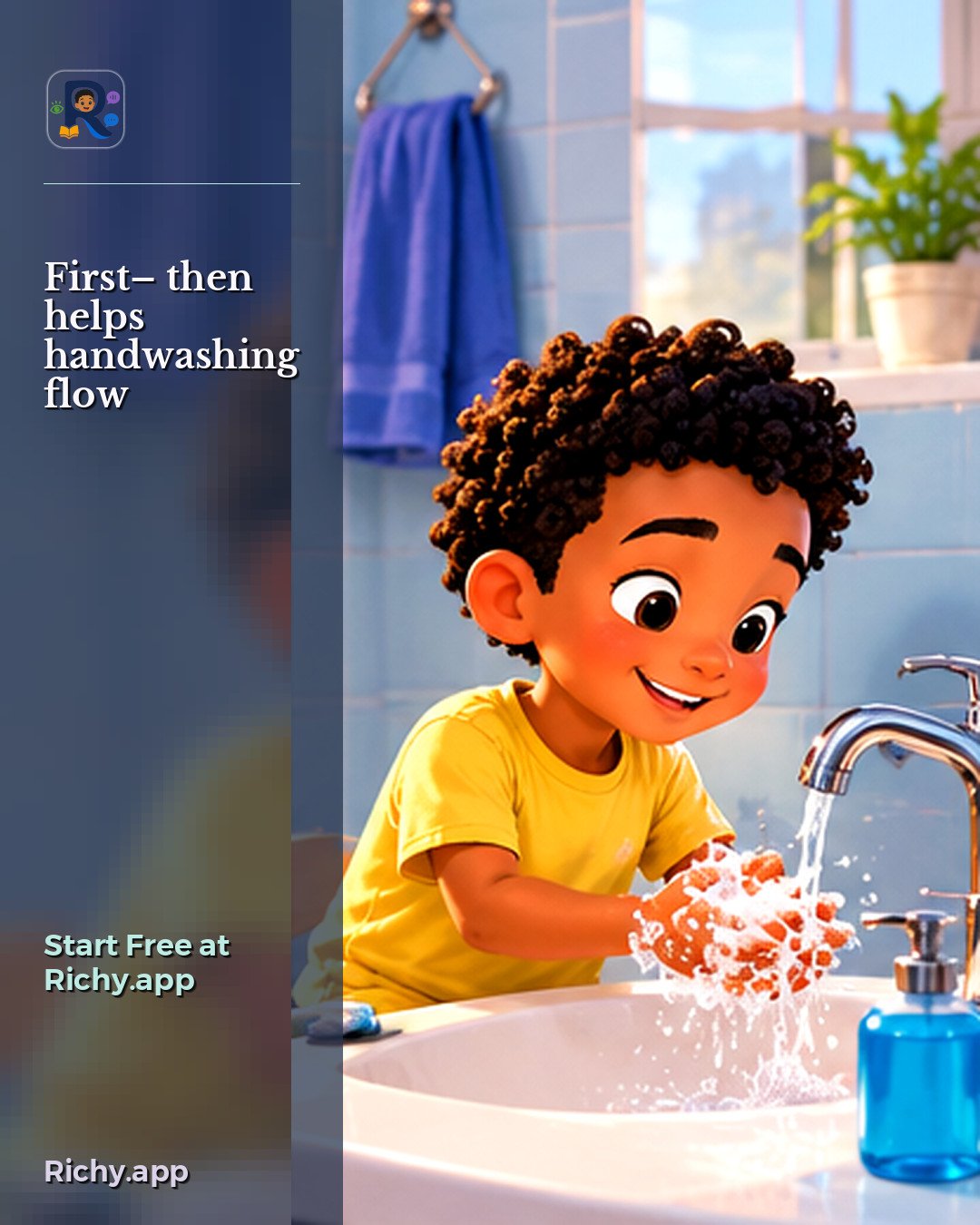
    Transitions like handwashing can be tricky without clear cues. Try using a First–Then approach: "First wash hands, then play." This simple structure helps learners understand what’s expected and what comes next, reducing anxiety and encouraging cooperation. Using familiar Everyday Objects like soap and sink supports comprehension. Practice this at home during daily routines to build confidence and independence. Richy Learning offers tools to practice First–Then and Everyday Words in fun ways. Start free at Richy.app, or find Richy on the App Store for iPhone and iPad.
  • Practice Asking for Help Respectfully

    Practice Asking for Help Respectfully

    Learn to Ask for Help Kindly

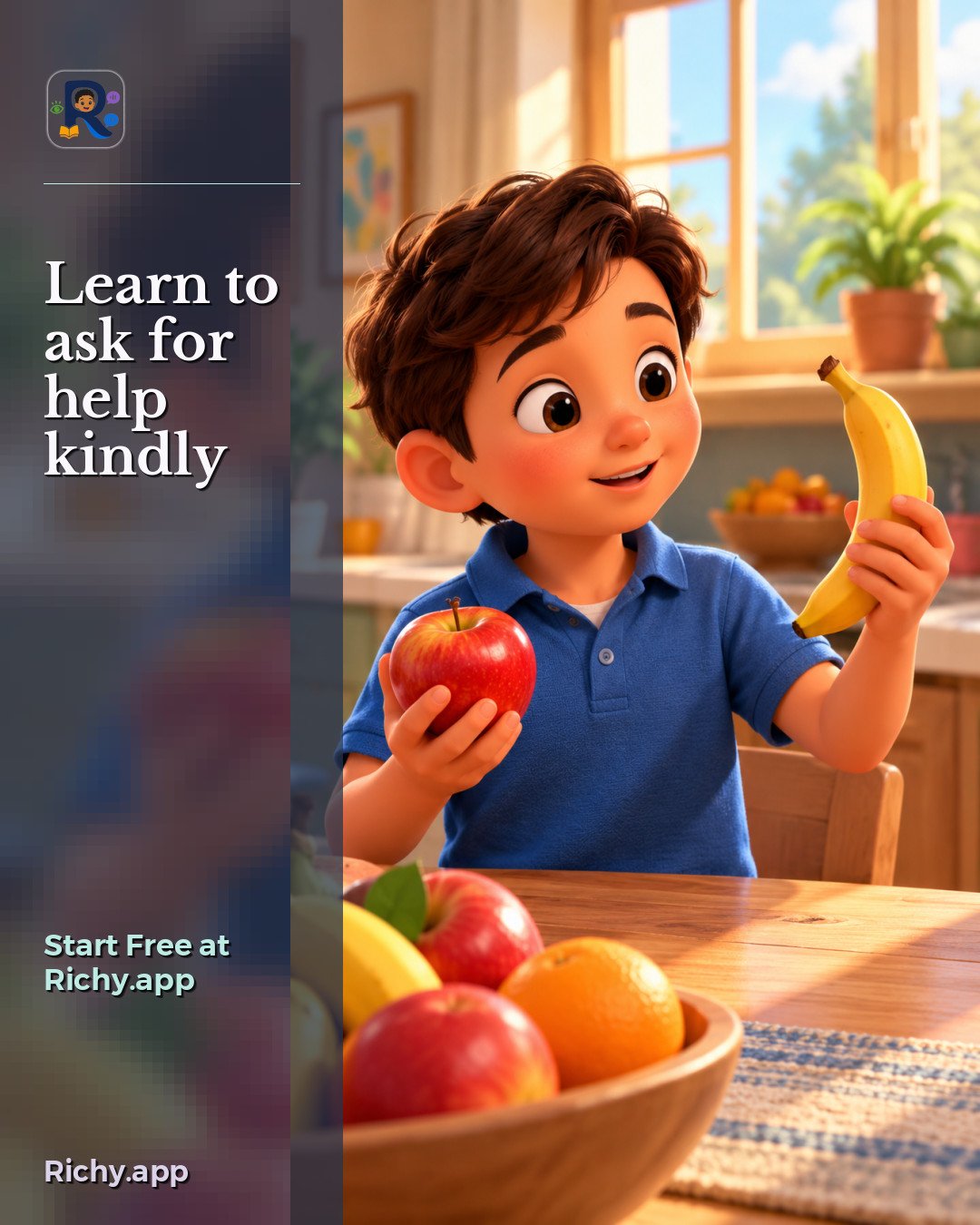
    When learners face small everyday choices, like picking between an apple or a banana, it’s a great moment to practise asking for help respectfully. Using Richy Learning, they can explore simple, clear ways to request assistance, building confidence while choosing. Try this: next time your learner hesitates, encourage them to ask, “Can you help me choose?” This supports polite communication that works across ages and settings. Start free at Richy.app, or find Richy on the App Store for iPhone and iPad.
  • Offer Two Choices Gently

    Offer Two Choices Gently

    Two Simple Choices Build Confidence

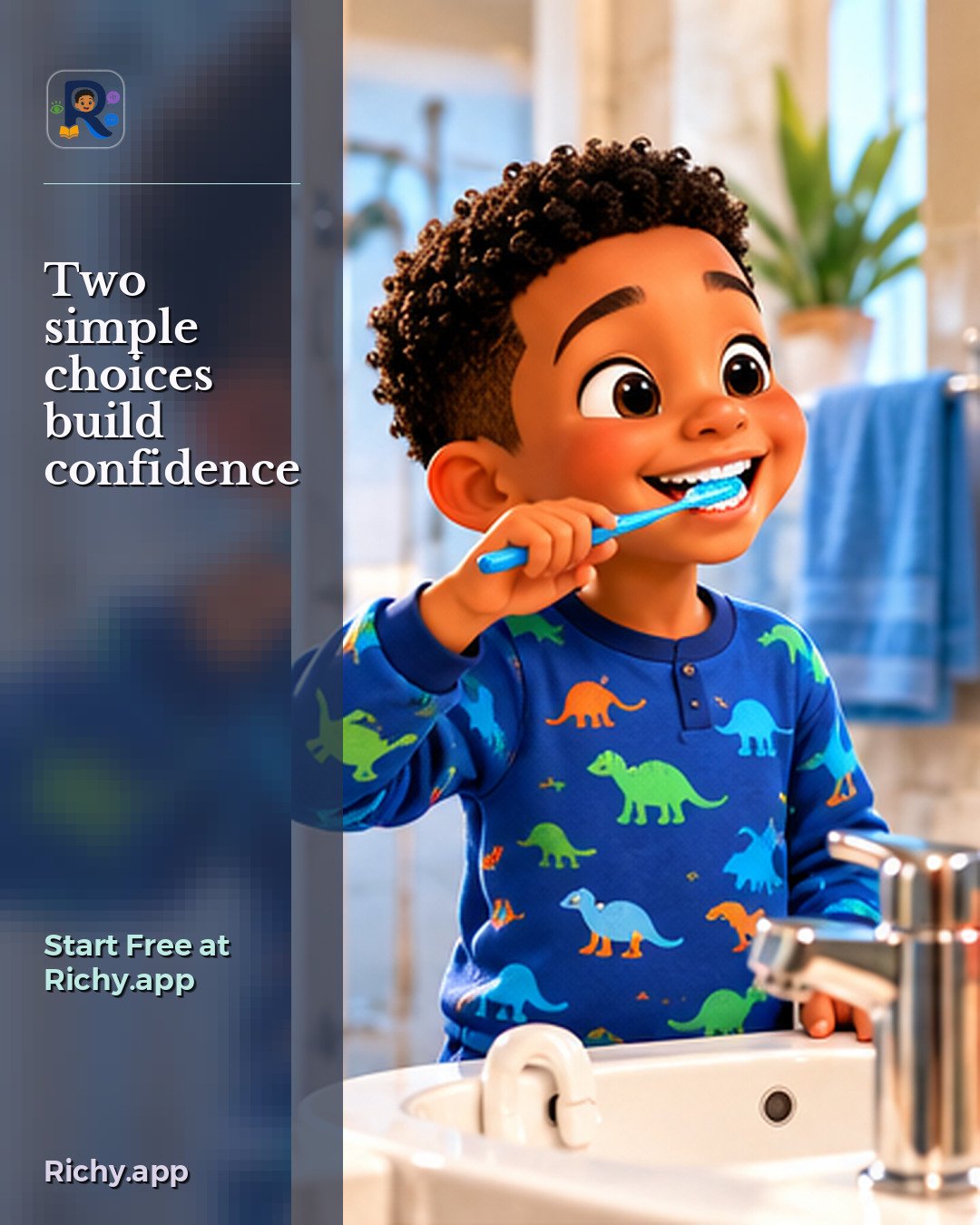
    When helping someone learn communication, offering two clear but simple choices helps support decision-making without pressure. For example, at toothbrushing time, ask “Do you want mint or bubblegum toothpaste?” This respects their autonomy and makes the routine more engaging and predictable. Practicing these small choices daily builds confidence and understanding of Everyday Words and Object Functions. Try offering two choices at your next routine moment. Start free at Richy.app, or find Richy on the App Store for iPhone and iPad.
  • Give One Clear Step at a Time

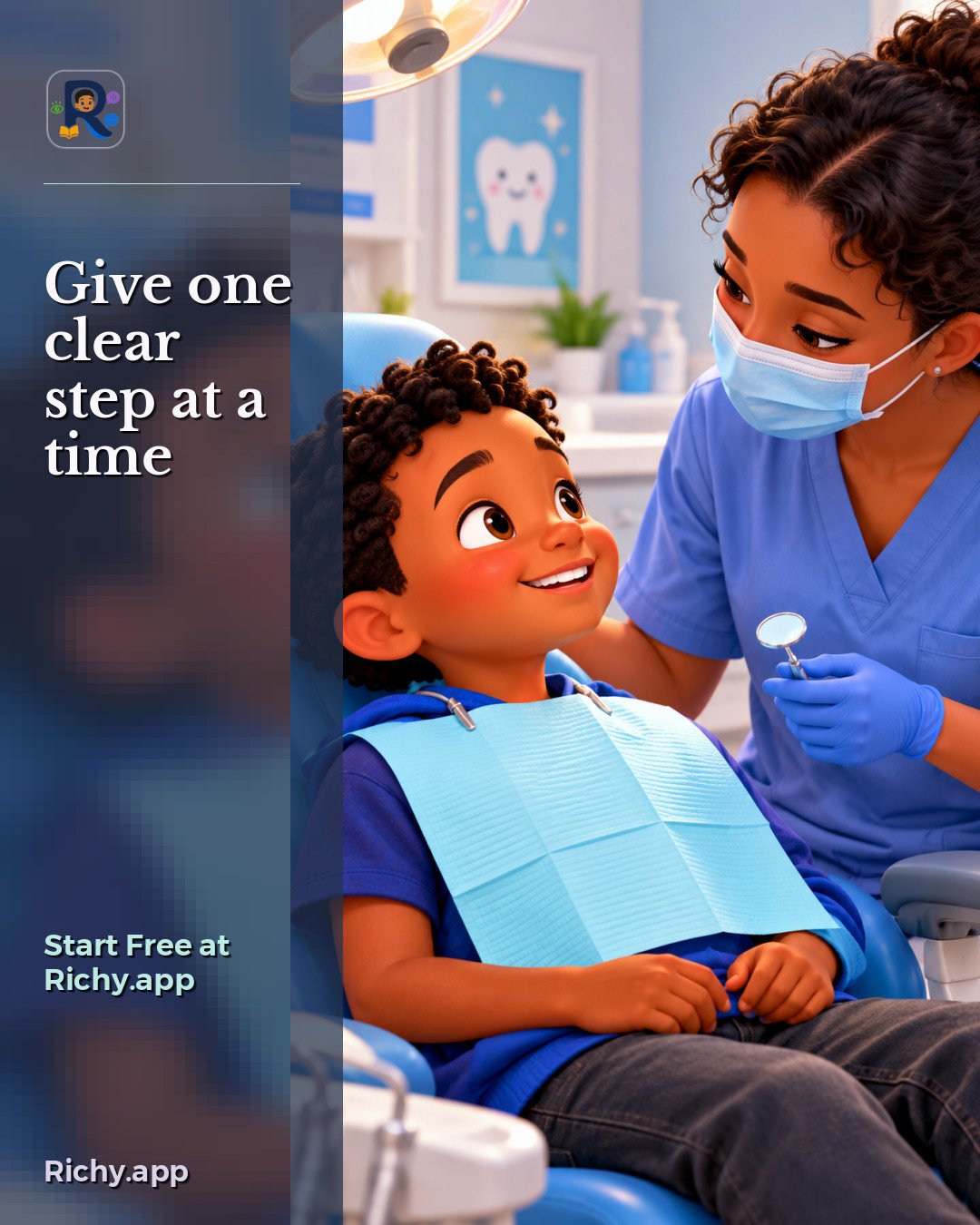
    Give One Clear Step at a Time

    Give One Clear Step at a Time

    When giving instructions, like asking a child to open wide at the dentist, one clear step helps reduce confusion. This approach supports patience and allows the learner time to understand and respond comfortably. Using simple, single requests can make everyday routines less stressful for everyone. Try this respectful communication strategy today to help build confidence in everyday interactions. Richy Learning offers guided practice to support skills like this in daily life. Start free at Richy.app, or find Richy on the App Store for iPhone and iPad.

  • Explore WHERE Questions on the Bus

    Explore WHERE Questions on the Bus

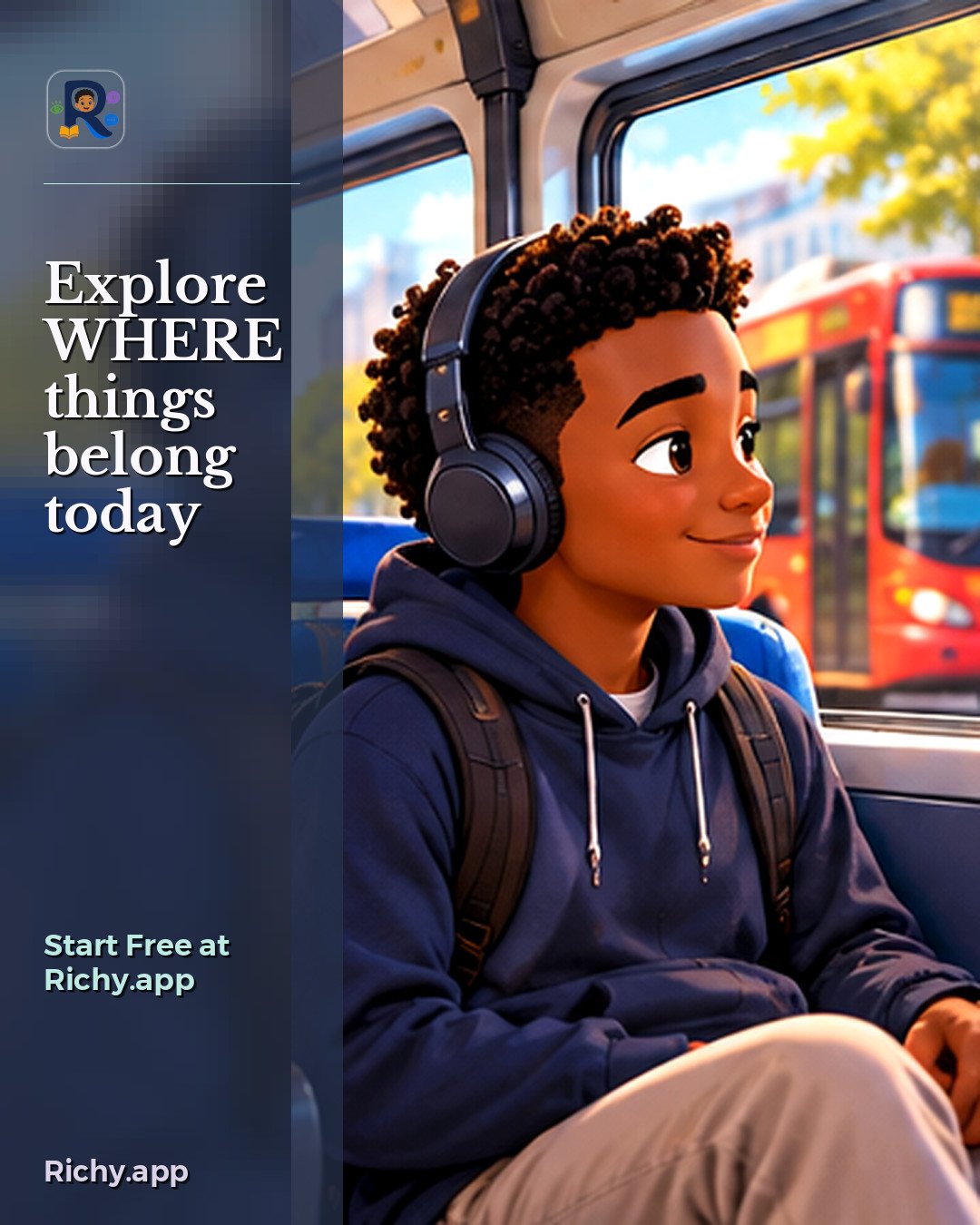
    Explore WHERE Things Belong Today

    When traveling on the bus, you can gently ask WHERE questions like “Where does your backpack go?” or “Where should we put your headphones?” This helps learners connect Everyday Objects to their proper places, supporting independence and clear communication. For example, point to the seat or your lap and model the question. Try this simple step during your next ride to encourage meaningful interaction. Start free at Richy.app, or find Richy on the App Store for iPhone and iPad.