Category: ContentLase Social

Public social-first posts generated by ContentLase AI.

  • Connect Everyday Words to Food

    Connect Everyday Words to Food

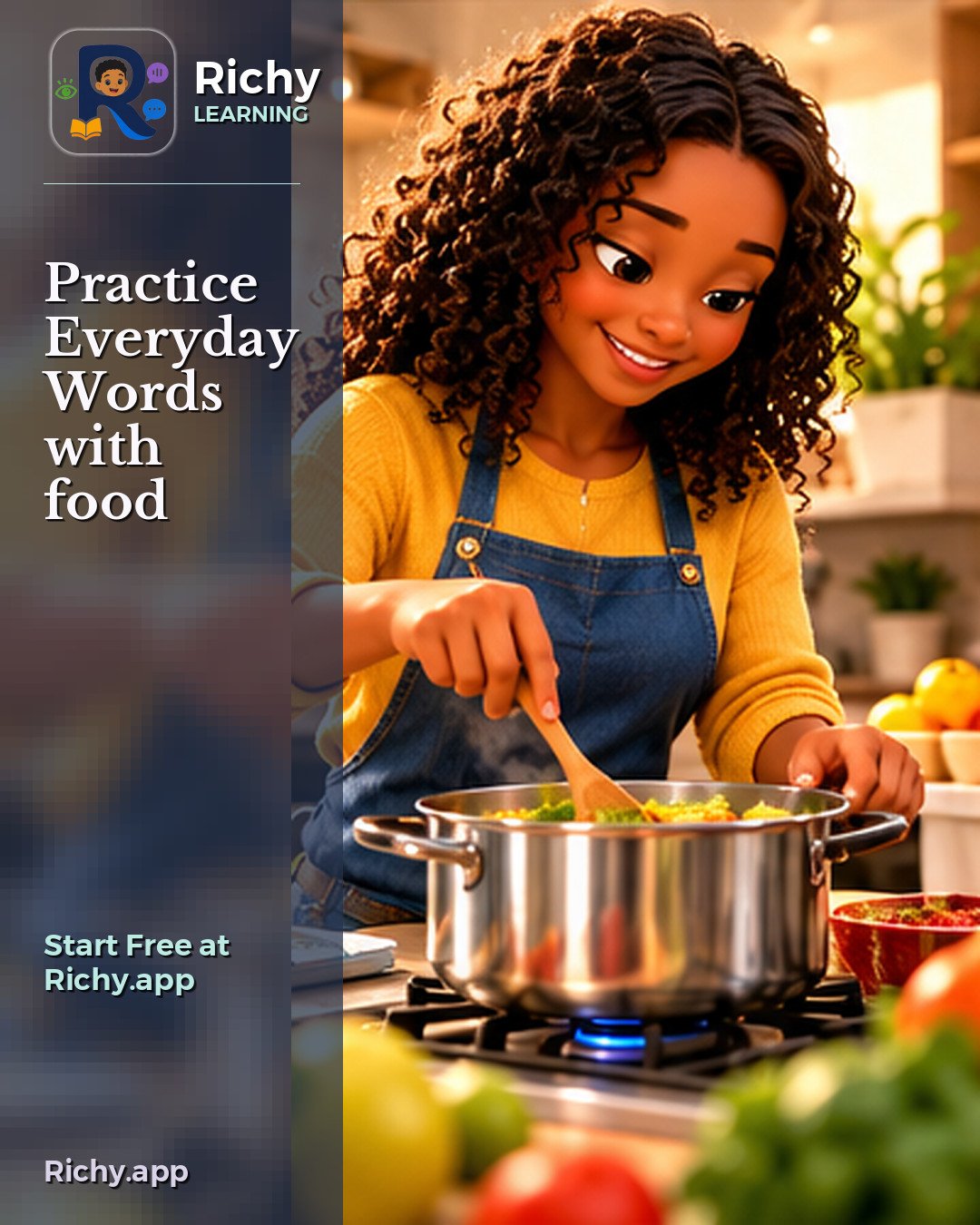
    Practice Everyday Words with Food

    Using familiar objects like food during everyday activities helps learners connect words to real-life experiences. For example, when stirring a pot while cooking, you can practice words like 'stir,' 'pot,' or 'food' together. This meaningful practice supports communication by linking words to visible actions and objects. Try naming or pointing to the food item during mealtime routines to encourage interaction. Richy Learning supports this approach with structured practice to build Everyday Words skills. Start free at Richy.app, or find Richy on the App Store for iPhone and iPad.
  • Write Notes While Reading Books

    Write Notes While Reading Books

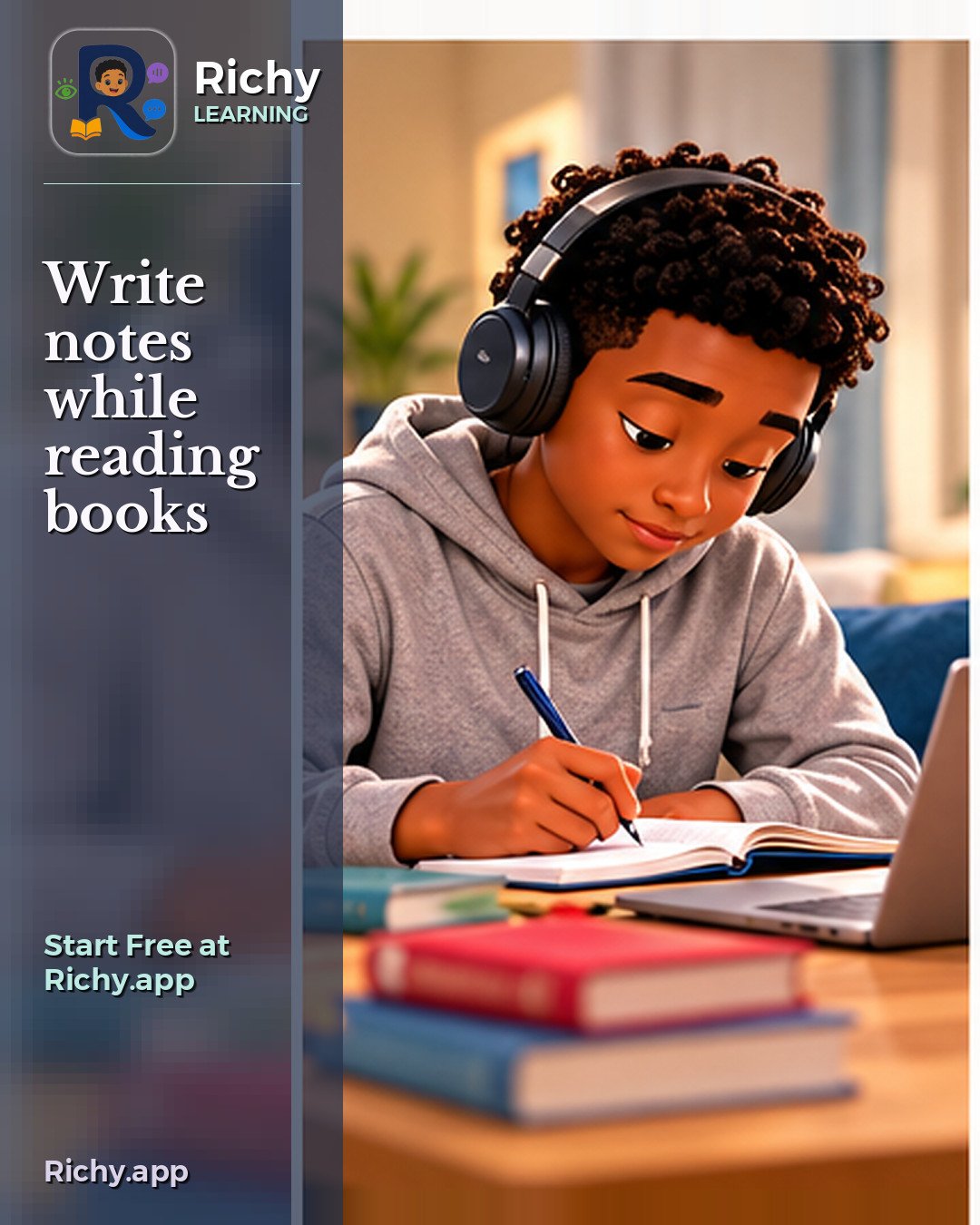
    Write Notes While Reading Books

    When studying, writing notes helps organise thoughts and support understanding at your own pace. For example, this learner uses a notebook to capture key ideas from a book, allowing time to process and revisit information comfortably. Try pausing to jot down one idea from your reading—it can make learning more personal and manageable. Practising communication this way respects individual timing and supports memory. Richy Learning offers tools to support these skills gently. Start free at Richy.app, or find Richy on the App Store for iPhone and iPad.
  • Describe Feelings and Support Gently

    Describe Feelings and Support Gently

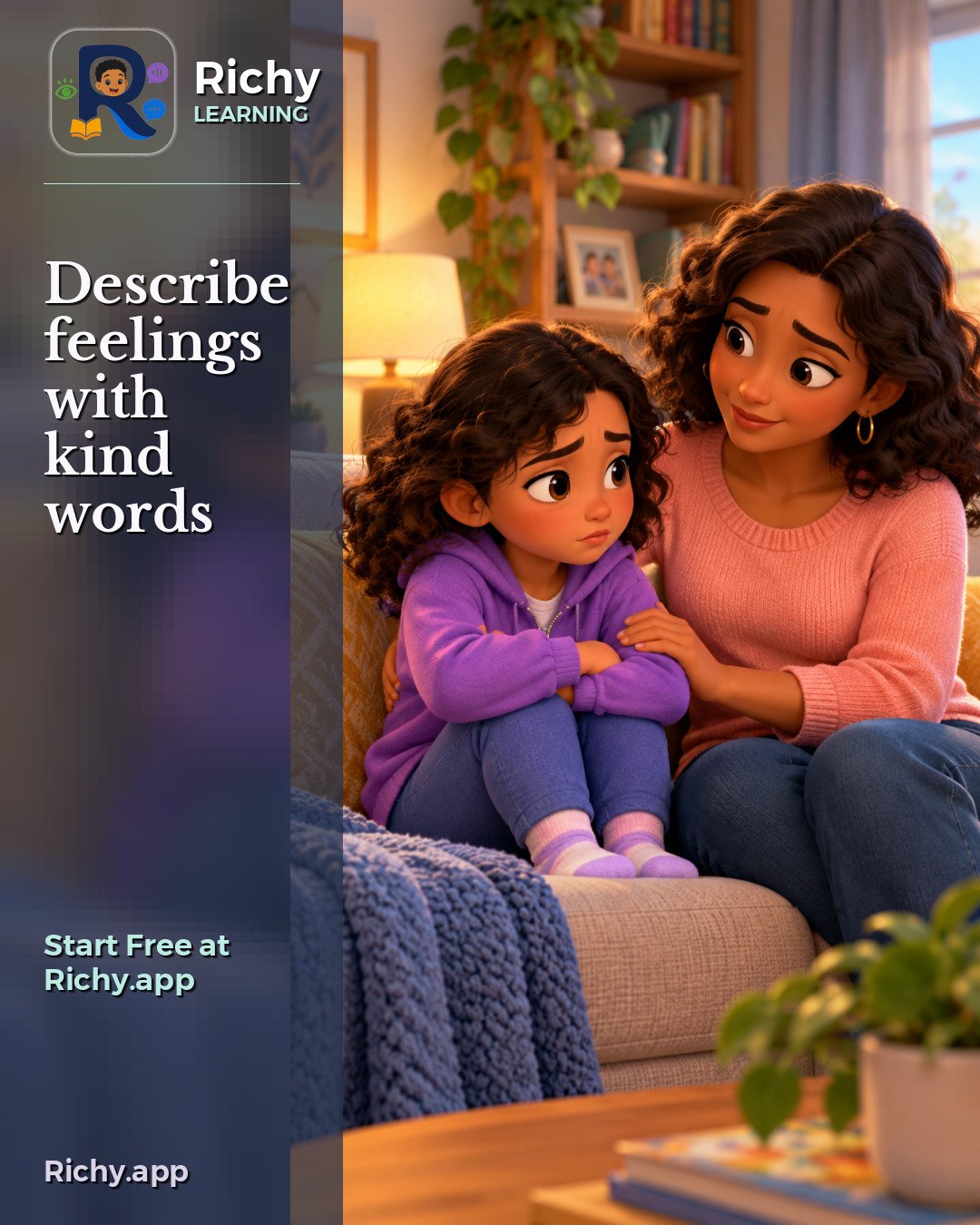
    Describe Feelings with Kind Words

    When someone seems upset, describing feelings can help them feel understood. For example, saying, “You look sad today, is something bothering you?” opens gentle communication. Richy Learning helps learners practise describing feelings and asking supportive questions in everyday moments, making conversations more meaningful. Try noticing a feeling together and asking a caring question today. Start free at Richy.app, or find Richy on the App Store for iPhone and iPad.
  • Use First–Then with Backpacks

    Use First–Then with Backpacks

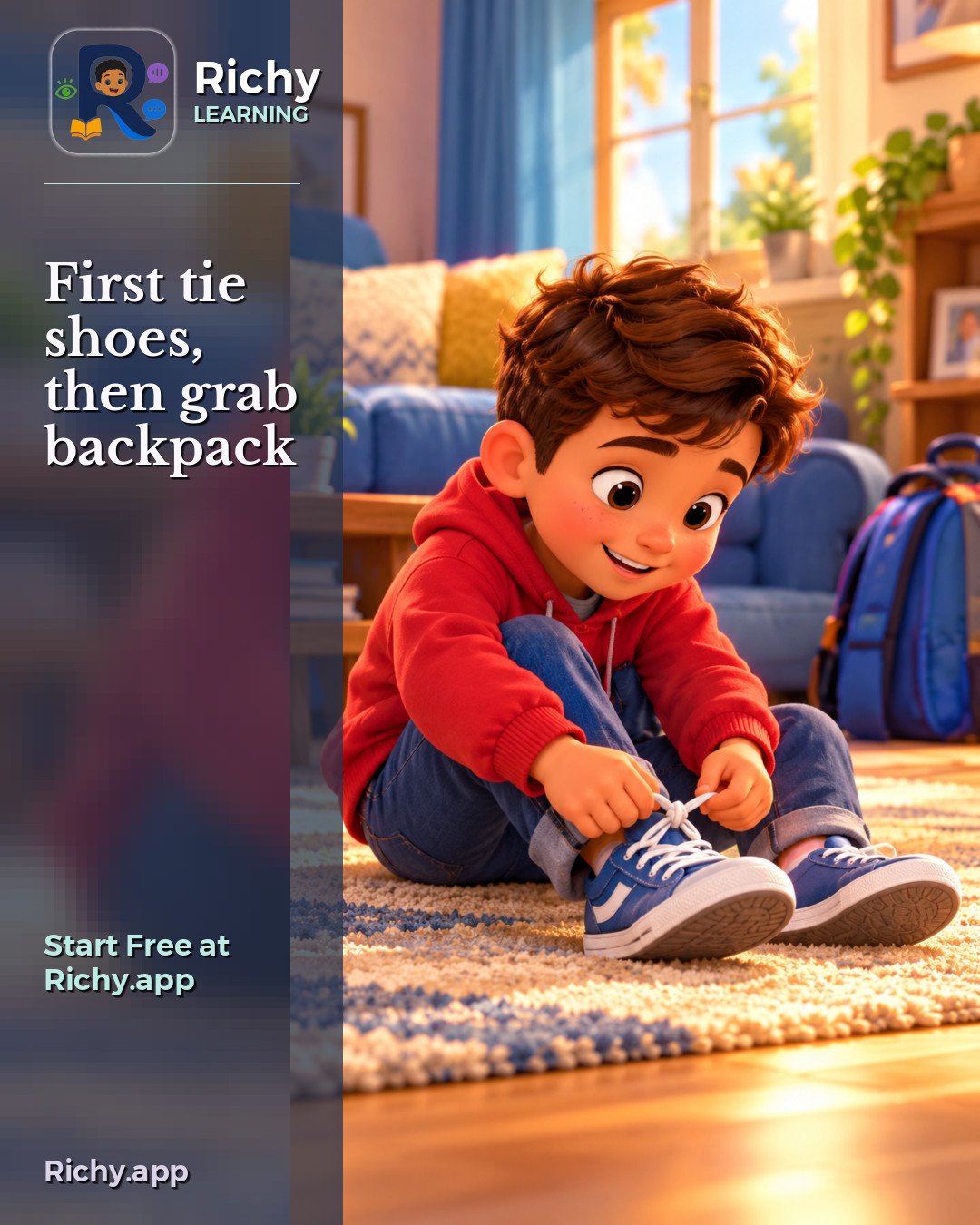
    First Tie Shoes, Then Grab Backpack

    Transitions like leaving home can be tricky for learners who benefit from clear expectations. Using a simple 'First–Then' routine—first tying shoes, then grabbing the backpack—gives structure and predictability. This helps reduce anxiety and supports independence. Try saying, “First tie shoes, then backpack,” while guiding or pointing to the backpack. Repeating this routine daily builds understanding over time. Richy Learning supports Daily Words and Object Functions practice around routines like this. Start free at Richy.app, or find Richy on the App Store for iPhone and iPad.

  • Ask for Help with Everyday Objects

    Ask for Help with Everyday Objects

    Ask for Help Using Everyday Objects

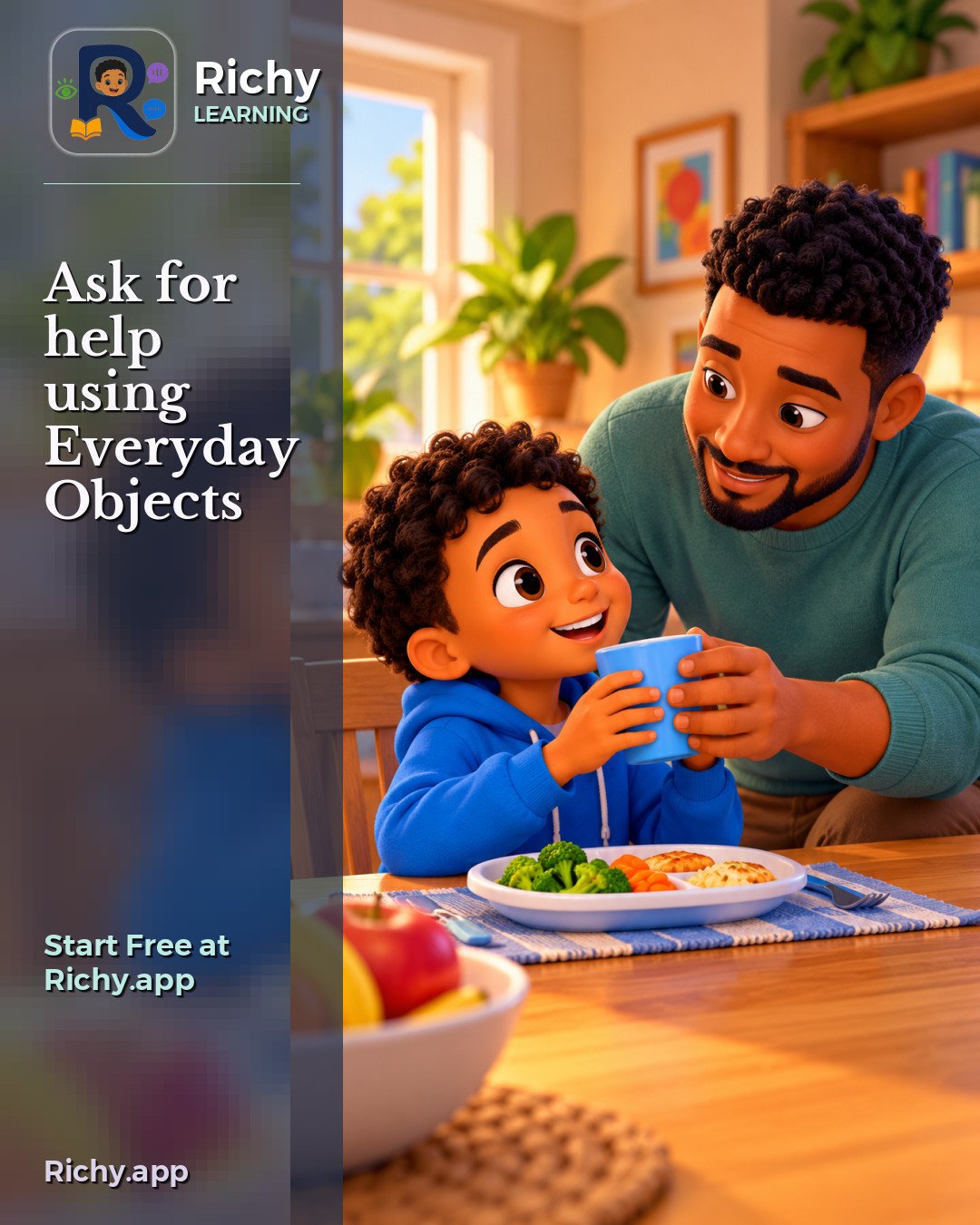
    When a child needs help with an object, like holding a cup during a meal, encouraging respectful requests builds communication skills and confidence. For example, the child can point to the cup or use simple words to ask, "Help, please." This clear, respectful approach fosters independence and understanding. You can practice this by gently prompting your learner to indicate when they need assistance with items around the house, such as cups or plates. Richy Learning supports this skill through structured practice tailored to each learner's pace. Start free at Richy.app, or find Richy on the App Store for iPhone and iPad.
  • Offer Two Clear Everyday Choices

    Offer Two Clear Everyday Choices

    Offer Two Clear Everyday Choices

    When helping someone learn to communicate, offering two meaningful choices can help them express preferences without feeling rushed. For example, pointing to picture cards of an apple and a teddy bear and asking, “Which one do you want?” gives a clear, respectful option. This simple strategy supports confidence and understanding in everyday interactions. Richy Learning offers structured practice for skills like these, helping learners explore choices at their own pace. Start free at Richy.app, or find Richy on the App Store for iPhone and iPad.

  • Use One-Step Instructions with Backpacks

    Use One-Step Instructions with Backpacks

    One Clear Step: Pack Your Backpack

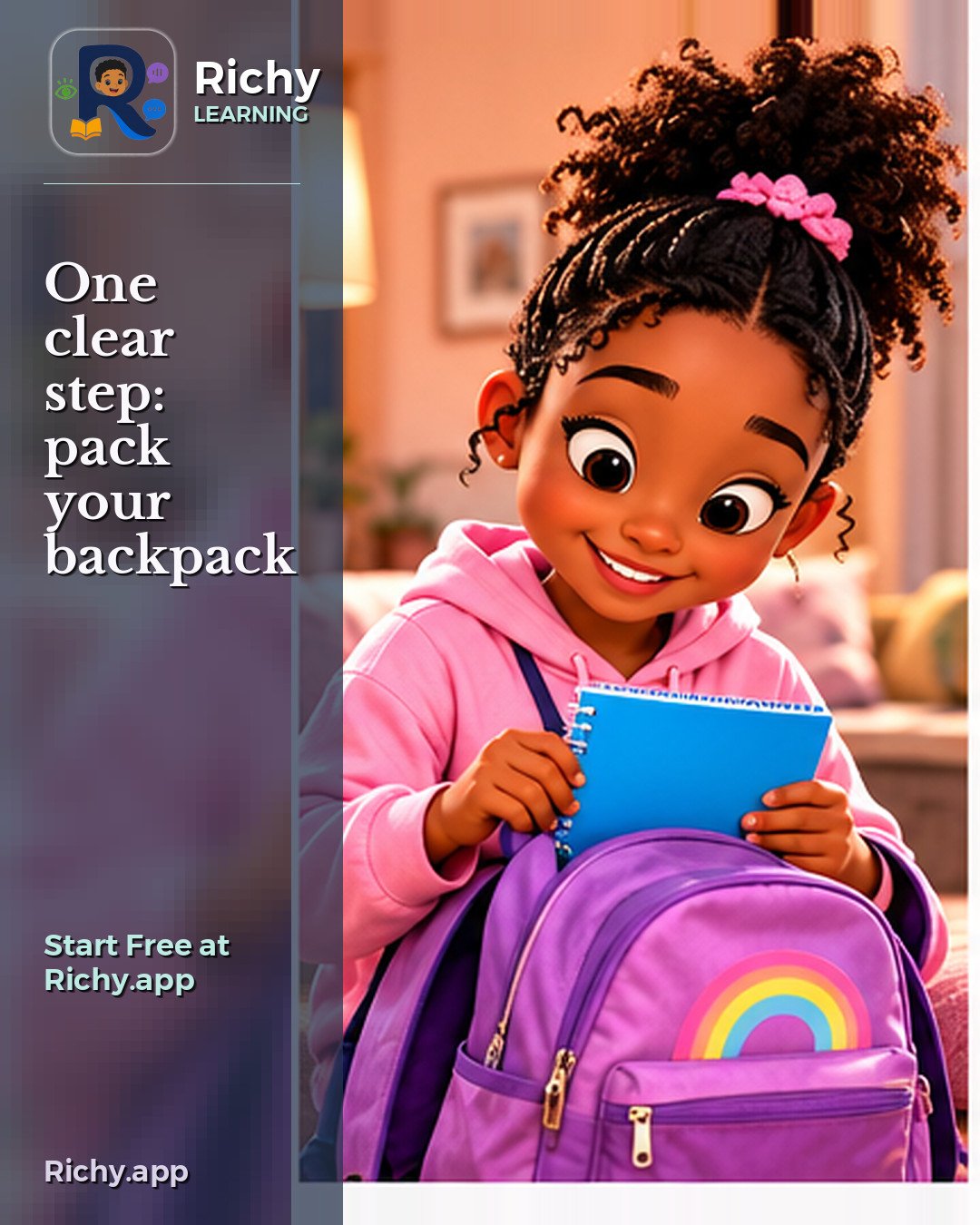
    Giving a single clear instruction can help learners focus and respond without overwhelm. For example, ask, “Please put your notebook in the backpack,” then allow time for action before the next step. This simple approach supports understanding and confidence when managing everyday tasks like packing for school. Richy Learning guides you with structured, adaptive practice for everyday communication. Start free at Richy.app, or find Richy on the App Store for iPhone and iPad.
  • Explore WHERE Books Belong

    Explore WHERE Books Belong

    WHERE Do Books Belong?

    Encouraging children to answer WHERE questions helps them understand spatial relationships and organization in daily life. For example, showing a child a bookshelf and asking, “Where do books go?” can promote recognition of places and objects. This simple practice supports communication and learning across ages and abilities. Try asking WHERE questions about familiar home items today to build this essential skill. Richy Learning offers structured, adaptable practice to support everyday communication and learning needs. Start free at Richy.app, or find Richy on the App Store for iPhone and iPad.
  • Explore WHAT Happens While Studying

    Explore WHAT Happens While Studying

    WHAT Is Happening Here?

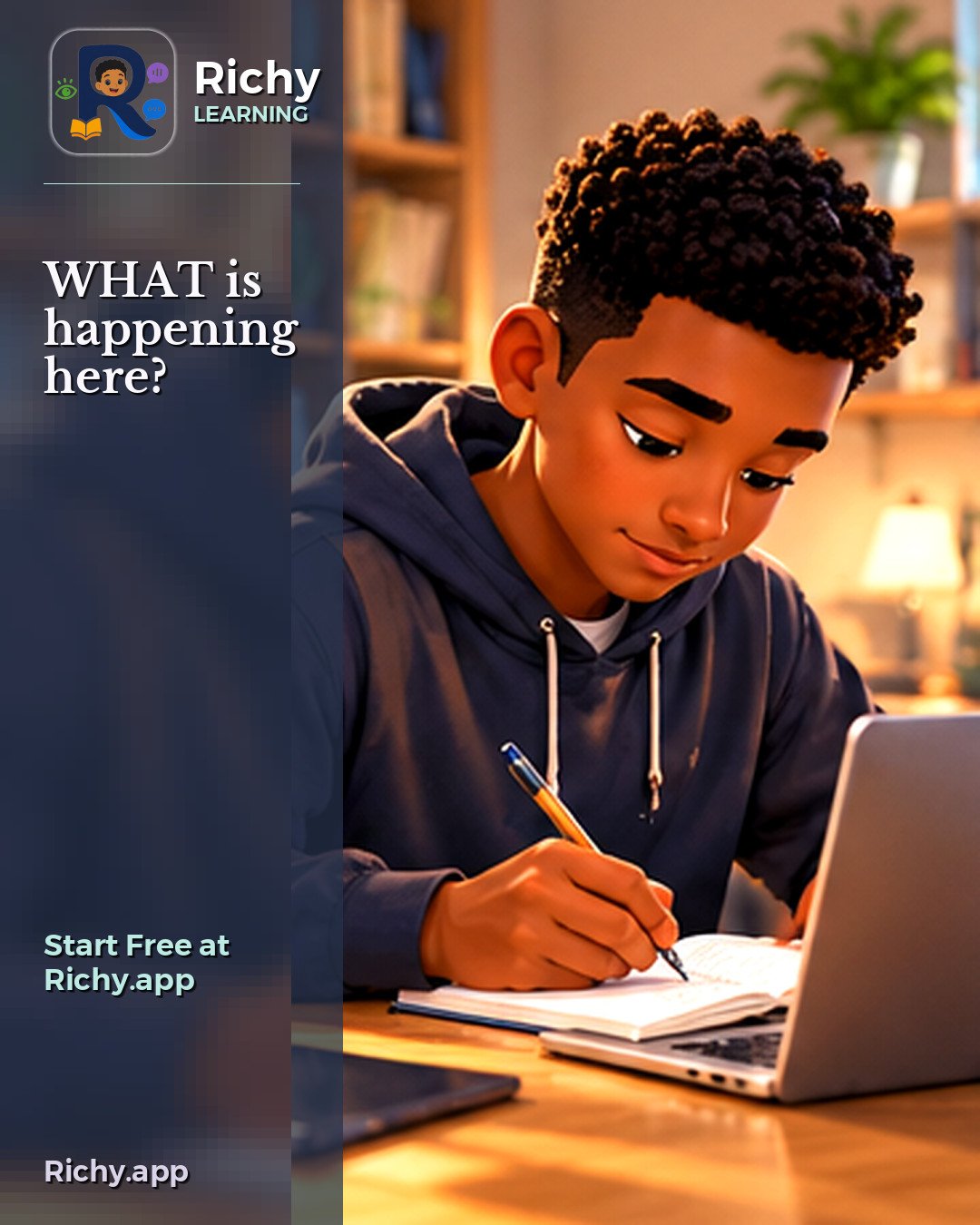
    When a teenager studies, they often read, write notes, or look up information on a laptop. Asking simple WHAT questions about these actions helps learners notice and describe daily activities. For example, you might say, “What are you writing?” or “What do you see on the screen?” This encourages communication and understanding step by step. Richy Learning supports practising such skills gradually with Everyday Words and WHAT questions in real-life settings. Start free at Richy.app, or find Richy on the App Store for iPhone and iPad.

  • Practice WHO Questions While Reading

    Practice WHO Questions While Reading

    WHO Is Helping With Reading?

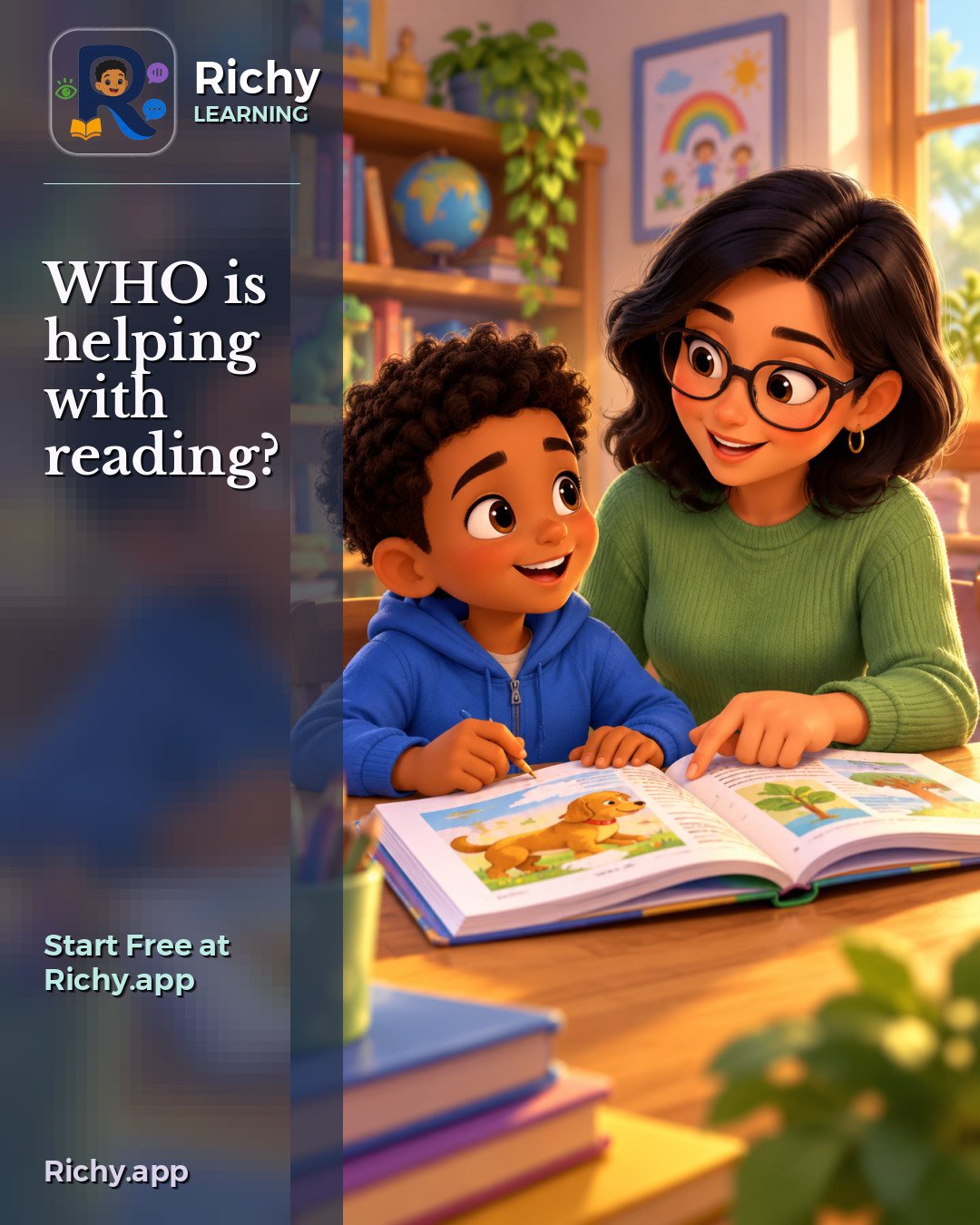
    When reading together, use WHO questions to build recognition and communication skills. For example, ask, 'Who is helping you read?' This encourages identifying people in familiar daily scenes, supporting both language and social connections. Try this simple step during storytime to gently practice WHO questions. Richy Learning offers structured practice to support this skill at your own pace. Start free at Richy.app, or find Richy on the App Store for iPhone and iPad.