Category: ContentLase Social

Public social-first posts generated by ContentLase AI.

  • Connect Everyday Words with Art

    Connect Everyday Words with Art

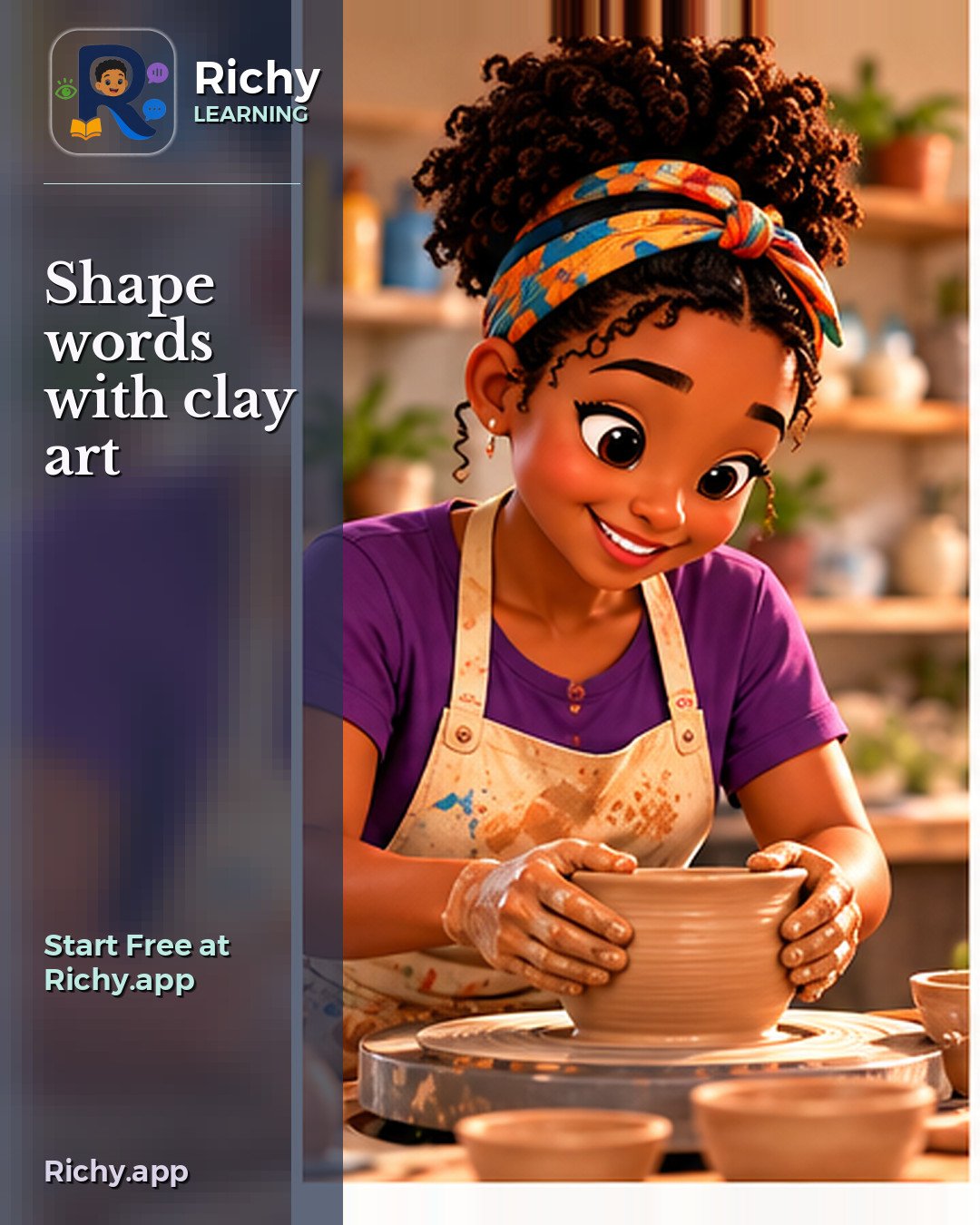
    Shape Words with Clay Art

    Using Everyday Words connected to art objects like clay helps adults build meaningful communication skills naturally. For example, saying or pointing to the word 'clay' while shaping pottery links language to a real, enjoyable action. This makes words more memorable and relevant. Try naming the object you work with during a hobby or craft to practice this. Richy Learning supports such Everyday Words practice with clear visuals and adaptive steps. Start free at Richy.app, or find Richy on the App Store for iPhone and iPad.
  • Explore Book Functions Together

    Explore Book Functions Together

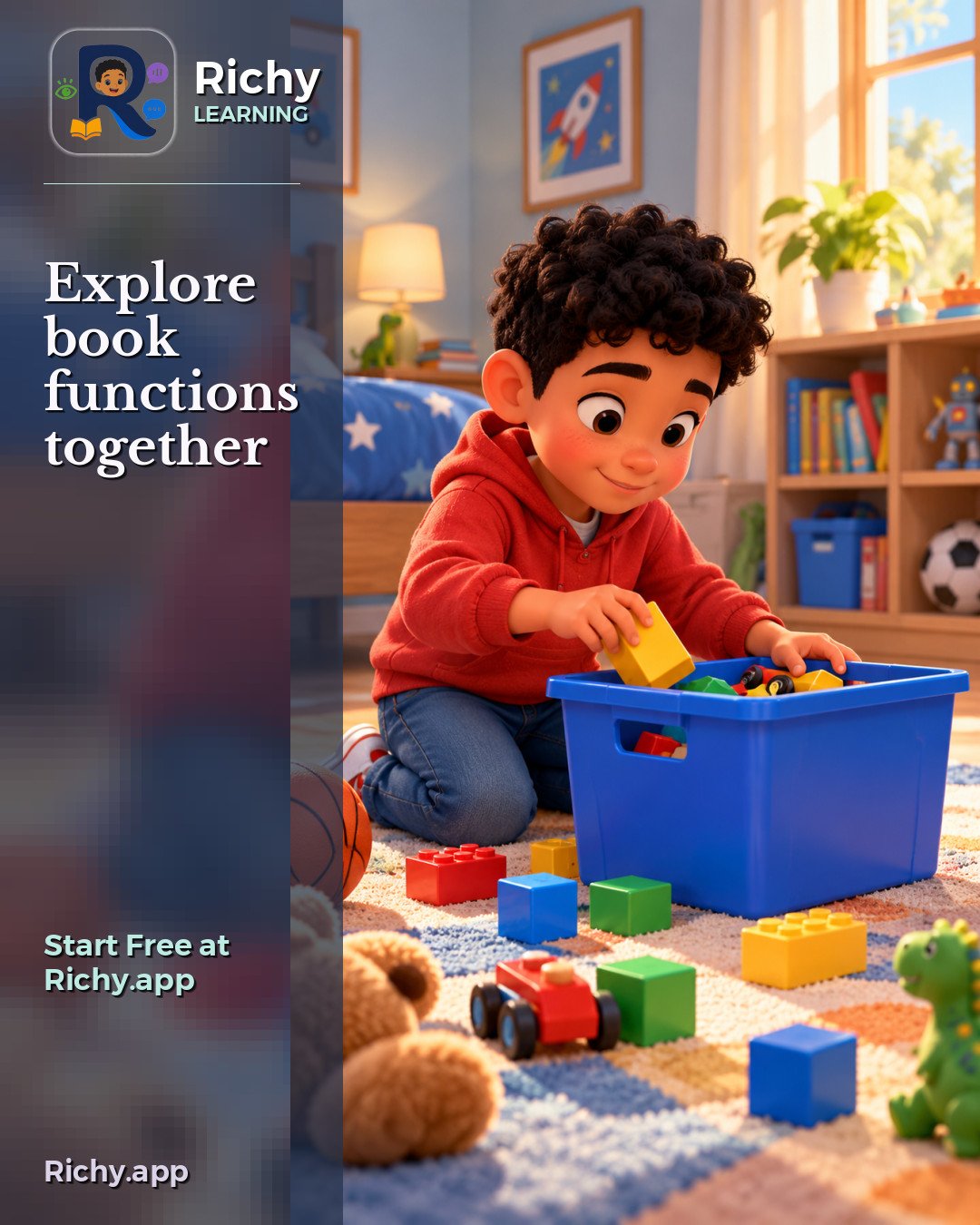
    Explore Book Functions Together

    Encouraging communication through play helps children learn at their own pace. For example, while building with blocks next to a book, you can name the book's parts or what it’s about to connect Everyday Objects with Everyday Words. This gentle approach supports curiosity and understanding without pressure. Try pointing to a book’s cover and describing it slowly, inviting the child to respond in their own way. Richy Learning offers structured practice to support these moments naturally. Start free at Richy.app, or find Richy on the App Store for iPhone and iPad.
  • Describe Feelings with Emotion Cards

    Describe Feelings with Emotion Cards

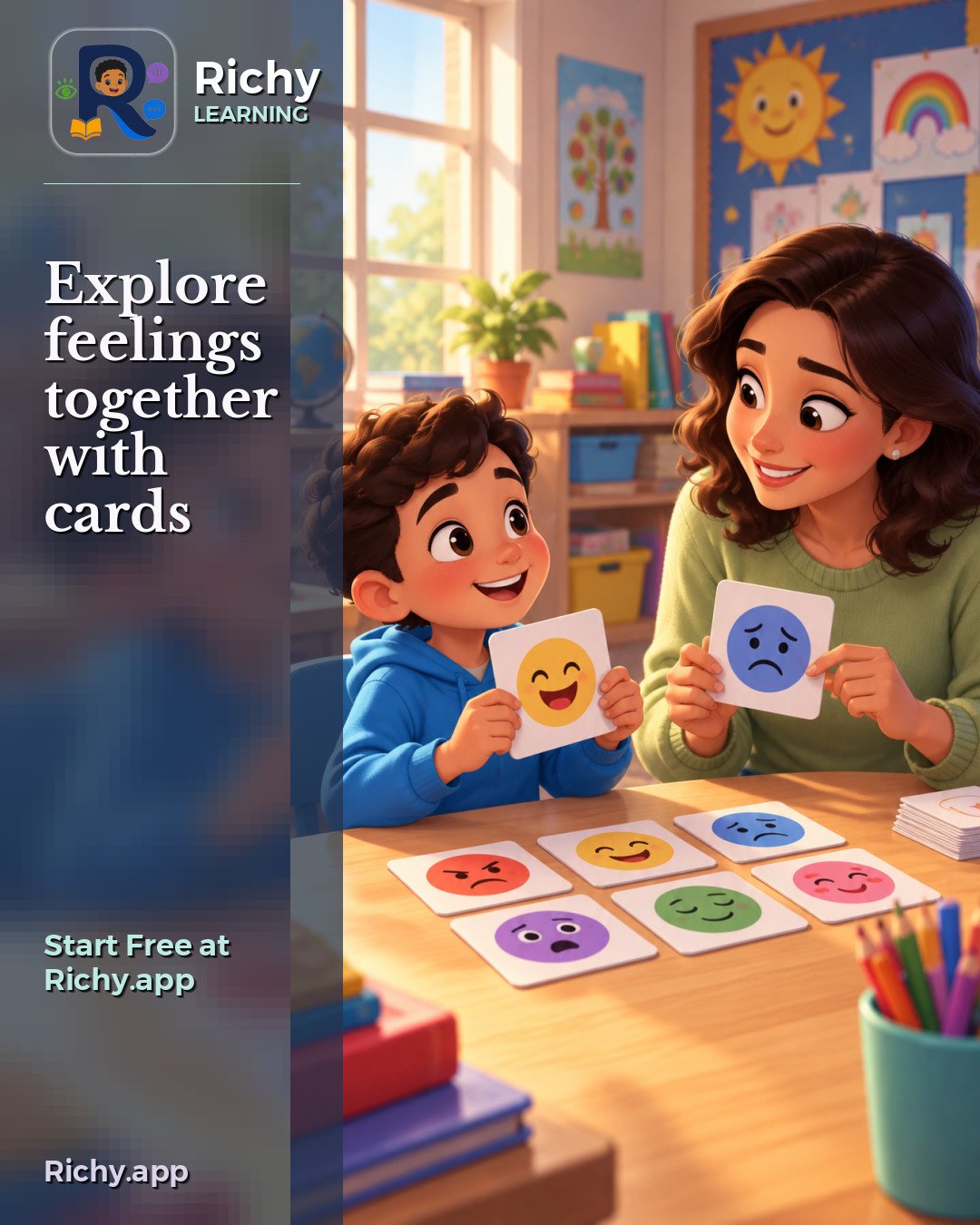
    Explore Feelings Together with Cards

    Understanding and naming feelings can be challenging for many learners. Using colorful emotion cards, like in this activity, helps make feelings more visible and easier to describe. This visual and hands-on approach encourages children to express how they feel in a supportive way, which strengthens communication and emotional awareness. Try using simple emotion cards at home or school and ask, “How do you feel?” to practice describing feelings together. Richy Learning offers structured practice to support these skills. Start free at Richy.app, or find Richy on the App Store for iPhone and iPad.

  • Use First–Then with Clothes Folding

    Use First–Then with Clothes Folding

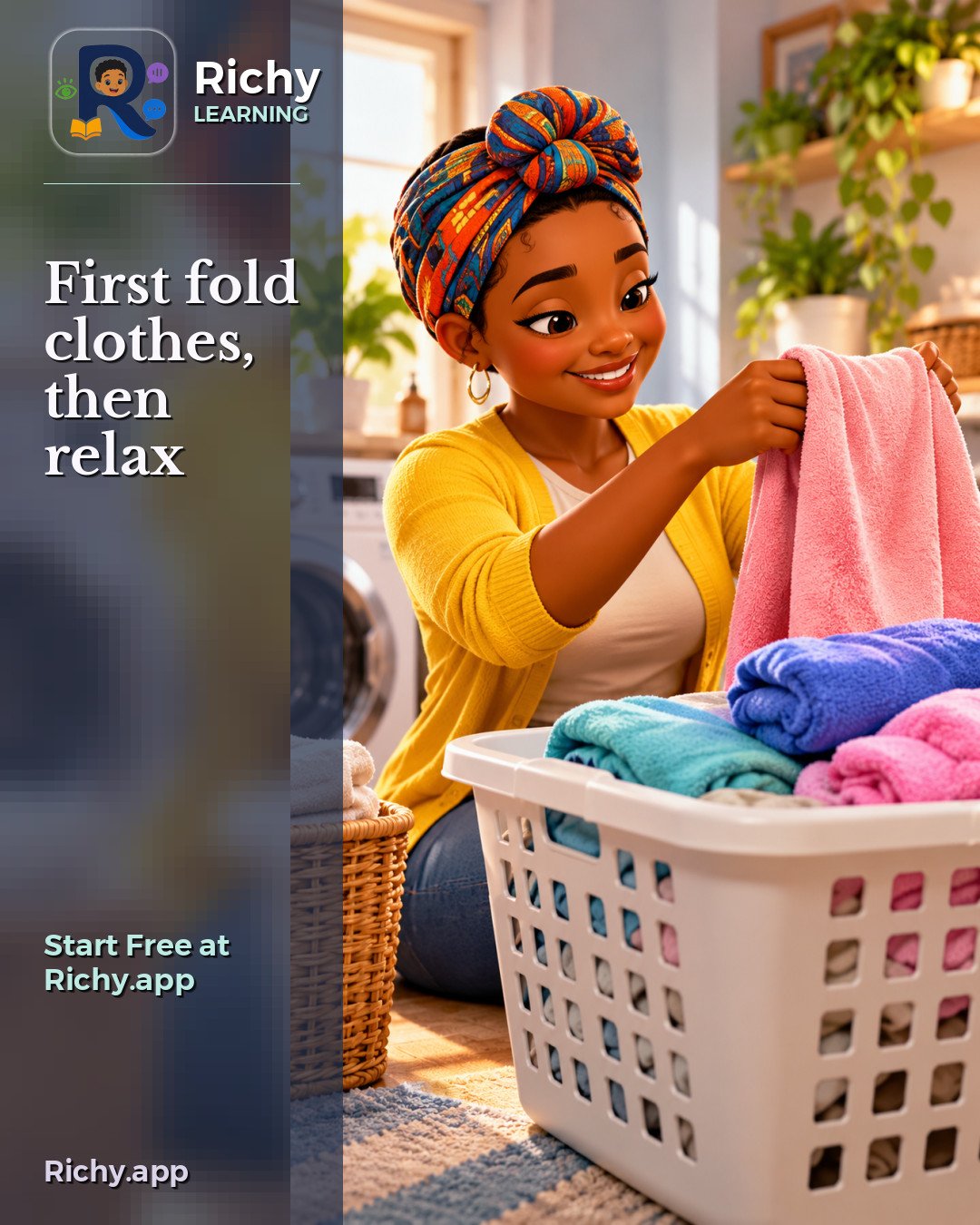
    First Fold Clothes, Then Relax

    Transitions can be smoother with a simple First–Then routine. For example, say or show: "First fold clothes," then after completing, "Then relax." This clear sequence helps adults stay focused and feel more in control during daily tasks like laundry. Using predictable steps supports communication and builds confidence. You can practice this with any household chore to create calm, structured moments. Start free at Richy.app, or find Richy on the App Store for iPhone and iPad.
  • Use One-Step Watering Instructions

    Use One-Step Watering Instructions

    Give Clear One-Step Water Requests

    Giving one clear, simple instructions like 'Please water the plant' helps learners focus on the task without feeling overwhelmed. For example, a teen might write this request in their notebook before calmly waiting for a response. This encourages understanding and respectful communication. Richy Learning supports practising these skills step-by-step with Everyday Words and Object Functions, helping learners build confidence at their own pace. Start free at Richy.app, or find Richy on the App Store for iPhone and iPad.
  • Explore WHERE Questions in the Garden

    Explore WHERE Questions in the Garden

    Find WHERE Garden Tools Belong

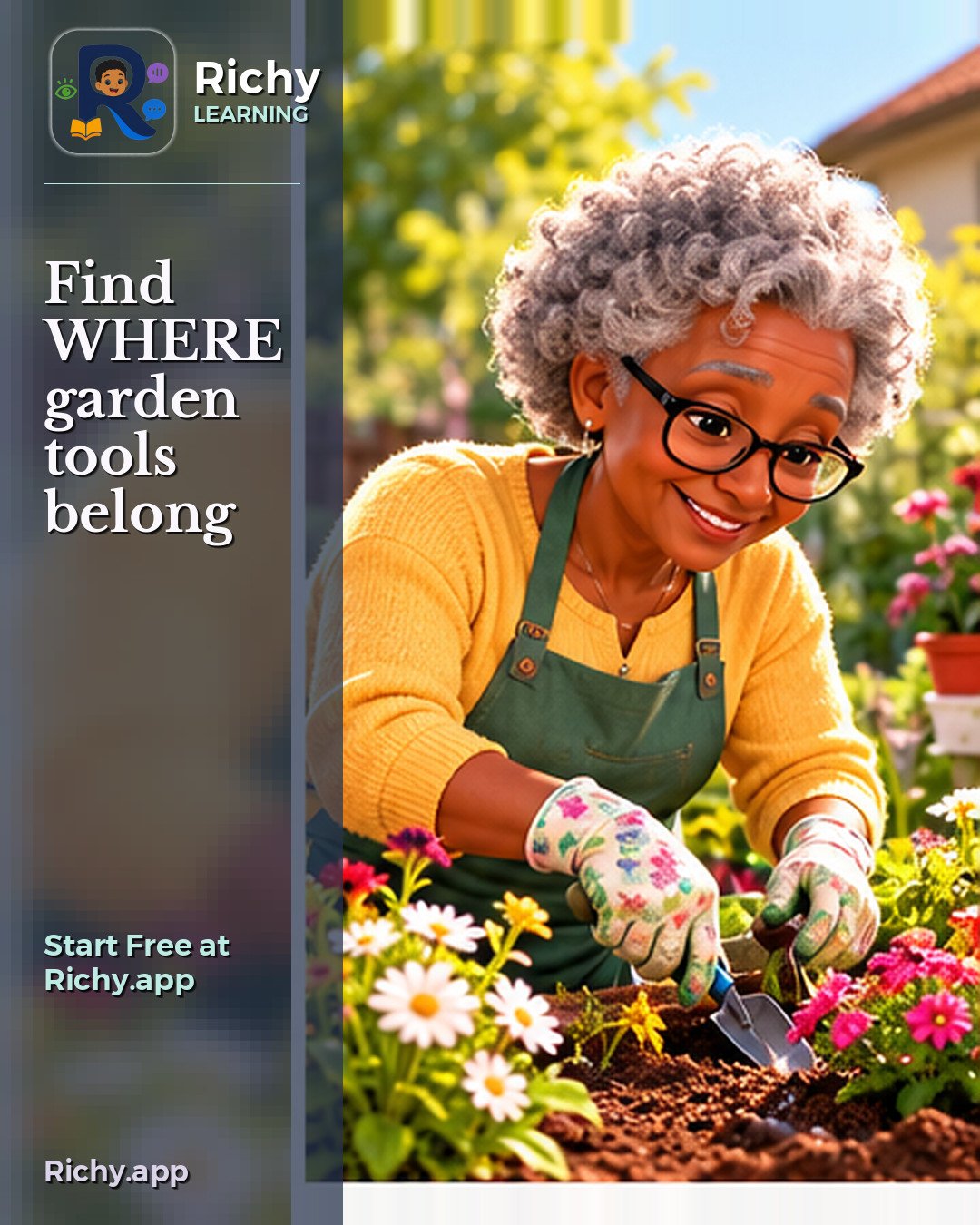
    Helping learners understand WHERE things belong can make everyday activities like gardening more engaging. For example, ask “Where do the gloves go after gardening?” to connect the action with the place. This encourages awareness of spatial concepts and supports communication about location. Try pointing to or placing items in their proper spots together to reinforce the idea. Richy Learning offers friendly practice with WHERE questions to build this skill step by step. Start free at Richy.app, or find Richy on the App Store for iPhone and iPad.
  • Explore WHAT Questions: Tying Shoes

    Explore WHAT Questions: Tying Shoes

    Learn WHAT Happens When Tying Shoes

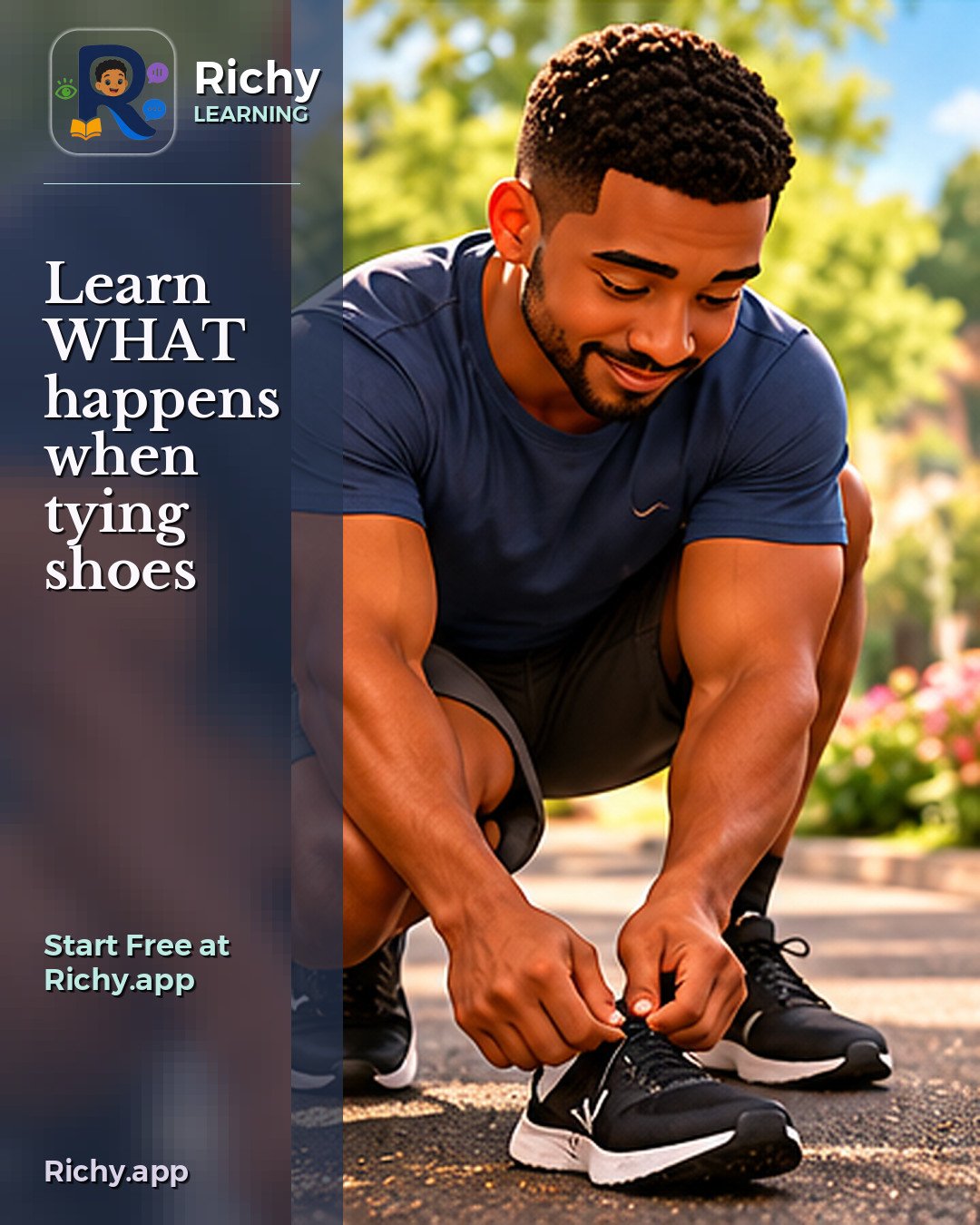
    Noticing everyday actions like tying shoes helps learners practise WHAT questions by explaining simple steps. For example, saying "He is tying his shoe laces" links words to actions and objects, supporting understanding and communication. Try describing each step during shoe-tying to build clear connections with Everyday Objects and Object Functions. This encourages learners to recognise and use meaningful language in daily activities. Start free at Richy.app, or find Richy on the App Store for iPhone and iPad.

  • Practise WHO Questions with Help

    Practise WHO Questions with Help

    WHO is helping with sneakers?

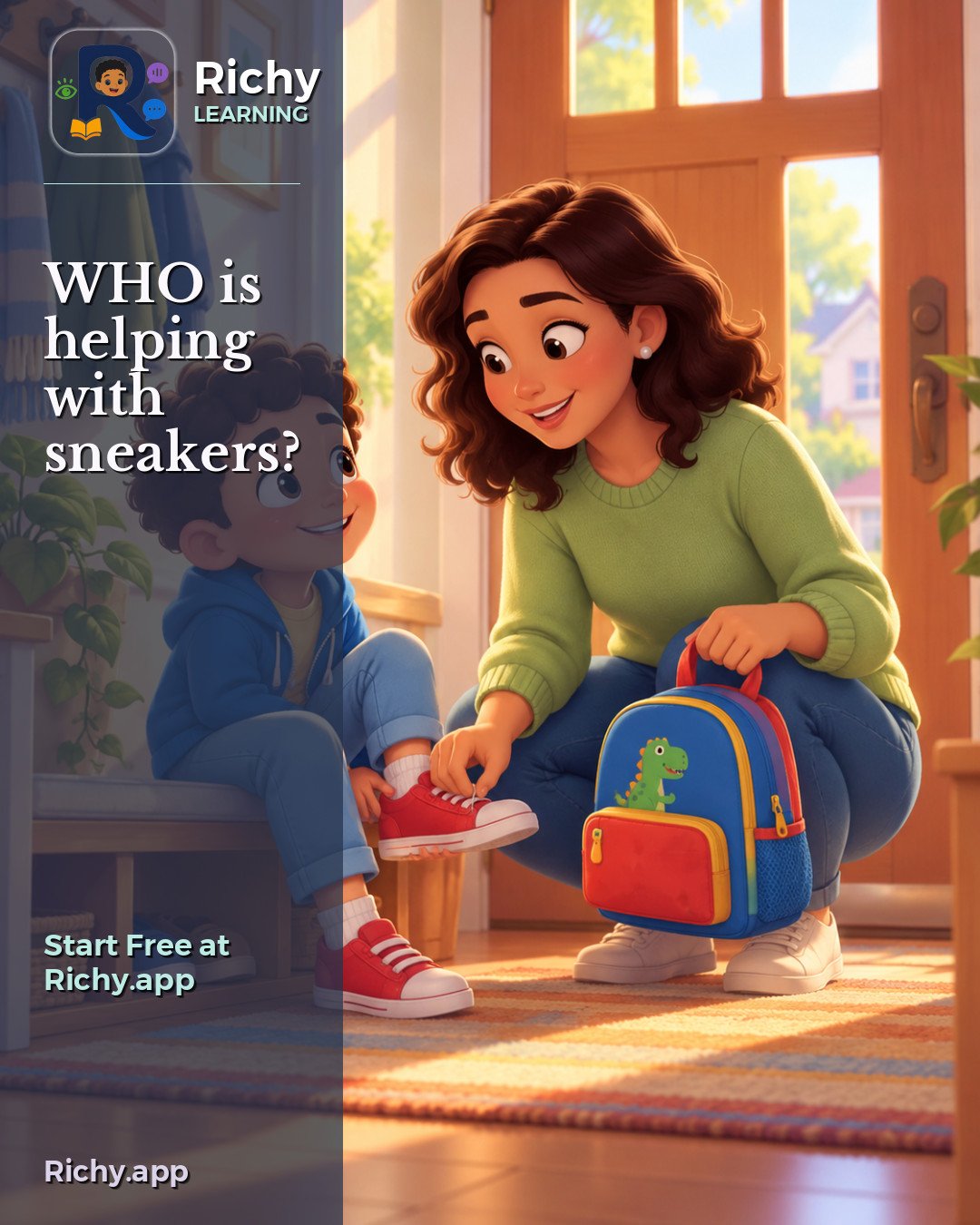
    When a child is getting ready, asking WHO is helping can build communication skills and awareness of daily interactions. For example, saying or pointing to the woman helping with the boy's red sneakers encourages recognizing people in familiar routines. This supports understanding WHO questions using Everyday Words in natural moments. Try gently asking "Who is helping you?" during dressing times to encourage responses by gesture or words. Start free at Richy.app, or find Richy on the App Store for iPhone and iPad.
  • Discover Book Functions Together

    Discover Book Functions Together

    Explore WHAT Books Are For

    Books are more than just pages; they open doors to stories, facts, and ideas. When a learner explores what a book is used for, they connect the object to its function, boosting understanding and communication. Try asking, “What do we do with this book?” or “Why do we read books?” This simple question encourages meaningful interaction and reinforces Object Functions. Richy Learning supports this skill with structured, adaptive practice tailored for everyday learning. Start free at Richy.app, or find Richy on the App Store for iPhone and iPad.

  • Recognise Food While Cooking

    Recognise Food While Cooking

    Recognise Food During Cooking

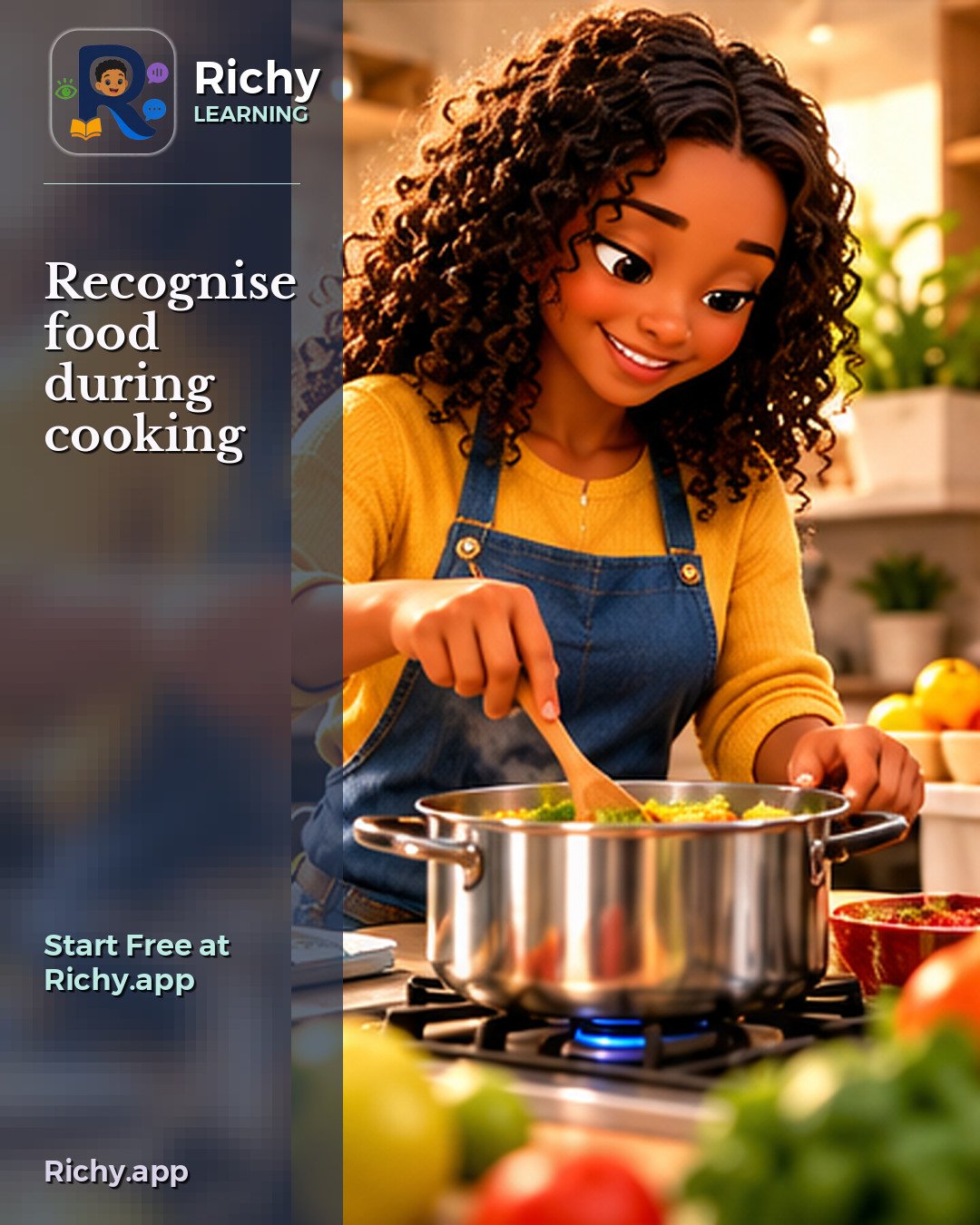
    Recognising Everyday Objects like food during cooking helps connect language to daily routines. For example, pointing to or naming the pot or ingredients while stirring can boost understanding of Everyday Objects and Object Functions. This simple awareness supports communication and learning in meaningful contexts. Try talking about what’s in the pot next time you cook. Richy Learning offers structured practice to explore Everyday Words and Objects more deeply. Start free at Richy.app, or find Richy on the App Store for iPhone and iPad.